
Revolutionizing the Middle East: Green Fuels and Biofuels on the Rise
Author: Himanshu Patni
December 15, 2023
The Middle East has long been synonymous with fossil fuels, holding a prominent position in the global oil and gas industry. However, the tides are changing as the region begins to embrace the transition towards a more sustainable energy future. In recent years, there has been a remarkable surge of interest and investment in green fuels and biofuels across Middle Eastern countries, marking a significant shift in the energy landscape. This article explores the trending news and developments in the realm of green fuels and biofuels in the Middle East.
Access sample report (including graphs, charts, and figures) – https://univdatos.com/get-a-free-sample-form-php/?product_id=51076
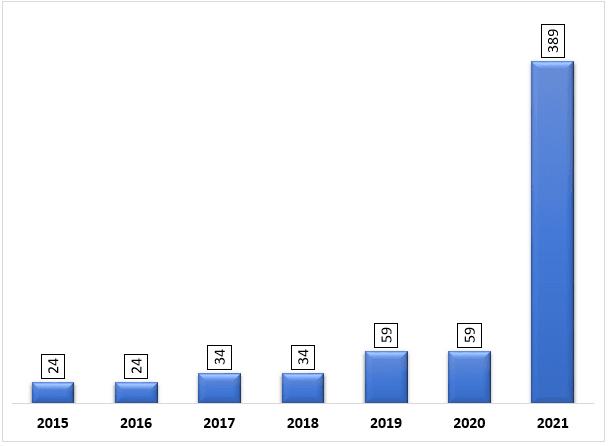
Fig1: Solar PV installed Capacity in Saudi Arabia, in MW (2015-2021).
The Middle East’s Green Fuel Transformation
· Economic Diversification: As oil prices have experienced volatility in recent years, Middle Eastern nations are increasingly focusing on economic diversification. They recognize the importance of reducing their dependency on oil revenues and investing in other sectors, including renewable energy and green technologies. The production and utilization of green fuels and biofuels play a pivotal role in this diversification strategy.
· Environmental Responsibility: The Middle East, like the rest of the world, is experiencing the adverse effects of climate change. Rising temperatures, water scarcity, and extreme weather events have heightened environmental concerns. Governments in the region are responding by committing to reduce their carbon emissions and investing in environmentally friendly technologies.
· Energy Security: Energy security is a top priority for Middle Eastern countries. Green fuels and biofuels offer a more stable and secure energy supply by reducing the reliance on imported oil. By producing biofuels from locally grown crops or agricultural waste, these nations enhance their energy independence.
Prominent Initiatives and Investments: Several Middle Eastern countries have taken significant steps towards promoting green fuels and biofuels, showcasing their commitment to sustainability.
· UAE: The UAE has unveiled an ambitious plan to invest 163 billion USD in clean energy projects by 2050. This initiative, known as the UAE Energy Strategy 2050, aims to increase the contribution of clean energy in the total energy mix to 50%. Biofuels have seen increased interest in the aviation sector, with airlines exploring the use of sustainable aviation fuels (SAFs) made from non-food feedstocks.
· Saudi Arabia: Saudi Arabia, the world’s largest oil producer, has launched the National Renewable Energy Program (NREP) to develop its renewable energy sector. The program includes the production of green hydrogen, a fuel with zero emissions, as well as the production of biofuels. The King Salman Renewable Energy Initiative reflects the country’s commitment to reducing its carbon footprint.
· Qatar: Qatar is investing in research and development of sustainable aviation fuels. The Qatar Airways Group has taken proactive steps to adopt SAFs in its operations. These fuels are made from feedstocks such as waste cooking oil, animal fat, and even the salt-tolerant plant Salicornia. These initiatives aim to reduce the carbon emissions of the aviation industry, a critical sector in the Middle East.
· Israel: Israel is actively promoting the use of biofuels and green hydrogen. The government has set a target to produce 30% of its energy from renewable sources by 2030, and biofuels are a key component of this strategy. The use of microalgae and advanced conversion technologies is being explored to produce sustainable fuels.
For a detailed analysis of the Middle East Green Fuel Marketbrowse through – https://univdatos.com/report/middle-east-green-fuel-market/
Conclusion
The Middle East’s growing interest in green fuels and biofuels signifies a significant shift in the region’s energy landscape. Governments and businesses are actively pursuing sustainable alternatives to fossil fuels, driven by economic diversification, environmental responsibility, and energy security. While challenges exist, the Middle East is poised to play a pivotal role in the global transition towards a more sustainable and eco-friendly energy future. As investments and initiatives continue to gain momentum, the Middle East is fast becoming a beacon of hope in the world’s collective efforts to combat climate change and promote renewable energy sources. According to the UnivDatos Market Insights analysis, the growing awareness of environmental issues in the region will drive the scenario of green fuel and as per their “Middle East Green Fuel Market” report, the middle east market was valued at USD 356.4 million in 2022, growing at a CAGR of 8.4% during the forecast period from 2023 – 2030 to reach USD XX million by 2030.
Get a Callback
Related News
Subscribe to our newsletters
By submitting this form, I understand that my data will be processed by Univdatos as indicated above and described in the Privacy Policy. *