
- Home
- About Us
- Industry
- Services
- Reading
- Contact Us
Peripheral Pulse Oximeters Market Valued USD 750 Mn Seen Soaring 6% Growth by 2030, Projects UnivDatos Market Insights
Author: Himanshu Patni
December 15, 2023
The Peripheral Pulse Oximeters Market was valued at USD 750 million in the year 2022 and is expected to grow at a strong CAGR of around 6% during the forecast period. In recent years, there has been a significant rise in the demand for peripheral pulse oximeters. These portable medical devices have become increasingly popular among healthcare professionals and individuals alike due to their convenience and ability to provide quick and noninvasive measurements of oxygen saturation levels in the blood. This article delves into the burgeoning demand of Peripheral Pulse Oximeters, its applications, etc.
Access sample report (including graphs, charts, and figures) – https://univdatos.com/get-a-free-sample-form-php/?product_id=50998
Peripheral Pulse Oximeters Demand in the Global Market
The demand for Peripheral Pulse Oximeters has witnessed a significant upswing in recent years. One of the main reasons for the increasing demand for peripheral pulse oximeters is continuously rising prevalence of respiratory disorders such as asthma, COPD, bronchitis, pneumonia etc. For Instance, as per the data of CDC, in year 2021, the prevlence rate of asthma in among the US population is about 6.5% in childerns and 8% in adults. Further, The estimated worldwide incidence of community-acquired pneumonia varies between 1.5 to 14 cases per 1000 person.
Another reason for rising demand of peripheral pulse oximeter is related to the portability and ease of use. Unlike larger, stationary oximeters found in hospitals, peripheral pulse oximeters are compact and lightweight, making them suitable for on-the-go monitoring. This feature makes them particularly useful for sports enthusiasts, pilots, hikers, and people with chronic respiratory conditions who want to keep track of their oxygen levels during physical activity or at high altitudes.
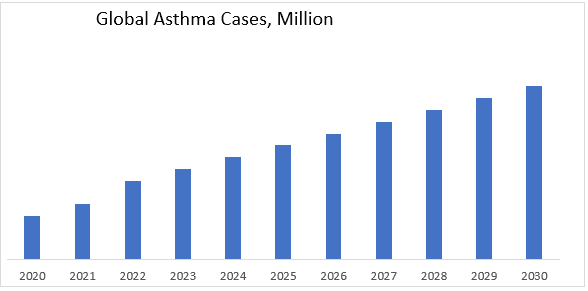
Applications of Peripheral Pulse Oximeters
1. Medical settings: Peripheral pulse oximeters are widely used in hospitals, clinics, and emergency rooms to monitor oxygenation levels in patients. They are particularly useful for the continuous monitoring of patients with respiratory conditions, such as asthma, chronic obstructive pulmonary disease (COPD), or pneumonia.
2. Anesthesia monitoring: Pulse oximeters are an integral part of anesthesia monitoring during surgeries, helping anesthesiologists ensure that the patient’s oxygen levels are maintained at a safe and appropriate level.
3. Sleep apnea monitoring: Individuals with sleep apnea often experience drops in blood oxygen levels during sleep. Portable peripheral pulse oximeters can be used at home to monitor SpO2 levels throughout the night and aid in the diagnosis and treatment of sleep apnea.
4. Sports and fitness: Athletes, trainers, and coaches can use portable peripheral pulse oximeters to monitor oxygen levels during strenuous exercise or high-altitude activities like mountaineering. This information helps guide training programs and identifies potential health risks due to low oxygen levels.
5. Aviation and pilot monitoring: Pilots and aviation crew members may use peripheral pulse oximeters to detect hypoxia, a condition caused by low oxygen levels at high altitudes, ensuring they maintain proper blood oxygen saturation and preventing potential hazards associated with oxygen deprivation.
6. Home healthcare: Peripheral pulse oximeters are increasingly being used for remote patient monitoring, allowing individuals to monitor their oxygen levels at home while managing chronic diseases or recovering from surgeries. This enables early detection of any worsening conditions, facilitating timely medical intervention..
Recent Developments/Awareness Programs: – Several key players and governments are rapidly adopting strategic alliances, such as partnerships, or awareness programs for the treatment: –
· In March 2020, Nonin launched two new disposable pulse oximeters with an aim of expanding the product portfolio.
· In May 2021, Pin Peripherals Launched India-Made peripheral oximeter.
For a detailed analysis of the Global Peripheral Pulse Oximeter Marketbrowse through – https://univdatos.com/report/peripheral-pulse-oximeter-market/
Conclusion
In conclusion, the application and demand for peripheral pulse oximeters have increased significantly due to rising cases of respiratory disorders along with portability and ease of use of peripheral pulse oximeters. However, these devices have broad applications in various healthcare settings and for individuals with specific health conditions. Their portability and ease of use make them indispensable tools for monitoring oxygen saturation levels and ensuring adequate oxygen supply to the body.
Get a Callback
Related News
Subscribe to our newsletters
By submitting this form, I understand that my data will be processed by Univdatos as indicated above and described in the Privacy Policy. *