
- Home
- About Us
- Industry
- Services
- Reading
- Contact Us
Solar Photovoltaics: Shining a Light on a Sustainable Future
Author: Himanshu Patni
January 10, 2024
Solar Energy Overview
Solar power is one of the most promising sources of renewable energy, and solar PV cells are at the heart of this technology. These cells are made up of photovoltaic materials that convert sunlight into electricity, and they have the potential to provide a clean, sustainable source of energy for decades to come. The importance of solar PV cells cannot be overstated. With the world’s energy consumption continuing to grow, and the need to reduce our reliance on fossil fuels, solar power is becoming an increasingly important part of the solution. Solar PV cells can be used to power homes, businesses, and even entire cities, and they have the potential to significantly reduce our carbon footprint.
One of the key benefits of solar PV cells is their ability to generate electricity in a sustainable and environmentally friendly way. Unlike fossil fuels, which release harmful pollutants into the air, solar power produces no emissions or greenhouse gases. This makes it an ideal source of energy for reducing our carbon footprint and combating climate change.
Another advantage of solar PV cells is their versatility. They can be used in a wide range of applications, from small residential systems to large-scale power plants. They can be installed on rooftops, in fields, or even integrated into the facades of buildings. This versatility makes solar power an attractive option for individuals, businesses, and governments looking to reduce their energy costs and reduce their carbon footprint.
Unlock Insights: Receive a Sample Research Report on the Solar Photovoltaic (PV) Cell Market:- https://univdatos.com/get-a-free-sample-form-php/?product_id=44191
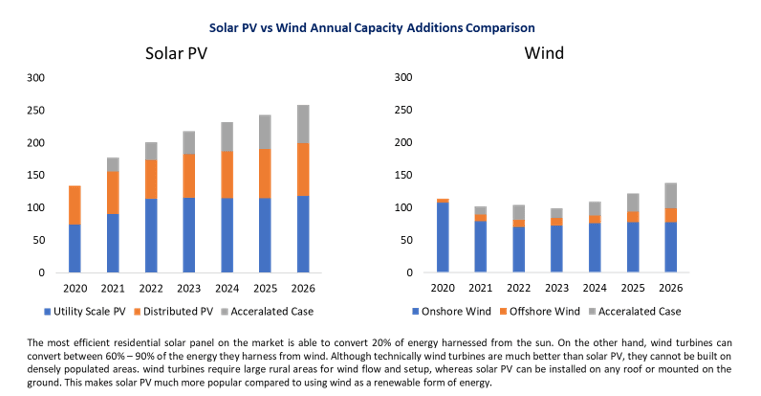
The falling cost of panels acting as a catalyst in the solar boom
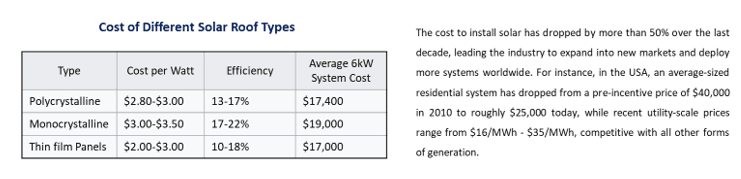
Solar PV cells are also becoming increasingly affordable. The cost of solar panels has fallen dramatically in recent years, making them more accessible than ever before. In many parts of the world, solar power is now cheaper than traditional forms of energy, such as coal and natural gas. This is good news for consumers, as it means they can save money on their energy bills while also reducing their carbon footprint.
Private Sector Driving the Growth in the Solar Market
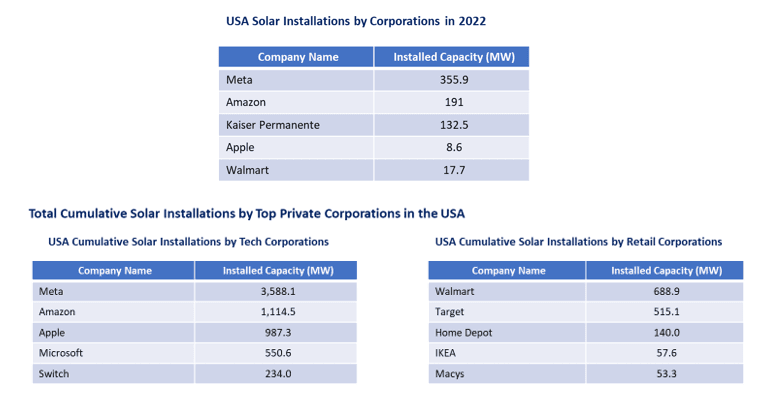
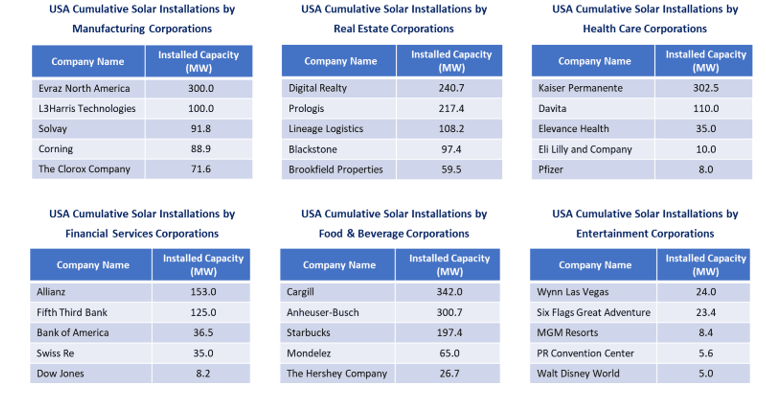
SEIA’s annual Solar Means Business report shows that major U.S. corporations such as Meta, Amazon, Apple, Walmart, and Microsoft are investing in solar energy at an increasingly rapid rate. As of June 2022, the top corporate solar users in America have installed almost 19 GW of capacity across nearly 50,000 different facilities nationwide. Off-site solar made up much of the growth in corporate solar, with 77% of capacity since 2020 being off-site. Nearly 19 gigawatts (GW) of solar capacity has been installed with commercial and corporate off-takers, more than half of which has come online since 2020.
Challenges in the Solar Industry
However, there are also some challenges that need to be addressed. One of the biggest challenges is the intermittency of solar power. Solar panels only generate electricity during the daytime when the sun is shining. This means that they are not always able to provide a reliable source of energy, and energy storage systems are needed to ensure that there is always enough power available when it is needed.
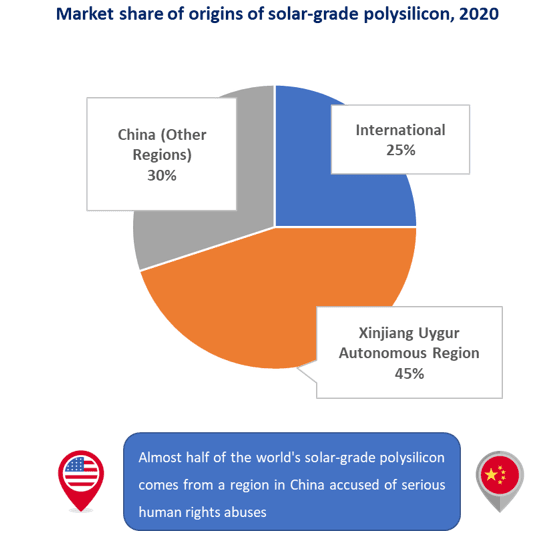
The Solar Energy Industries Association published that in 2023 that US solar installations could fall by 23% this year because of the ban on Chinese goods following concerns over forced labor. The ban has stalled panel imports from China’s Xinjiang region, one of the main sources of US solar equipment.
US Customs and Border Protection seized 1,053 shipments of solar energy equipment from the region worth hundreds of millions of dollars between June and October 2022 when the Uyghur Forced Labor Protection Act went into effect.
The ban on goods from China to the USA has created tension in the solar PV market, however, this is viewed as an opportunity for many countries. For instance – The gap in demand and supply created due to the Chinese PV goods ban policy has given Japanese companies a chance to capture the void left in the American PV cell market.
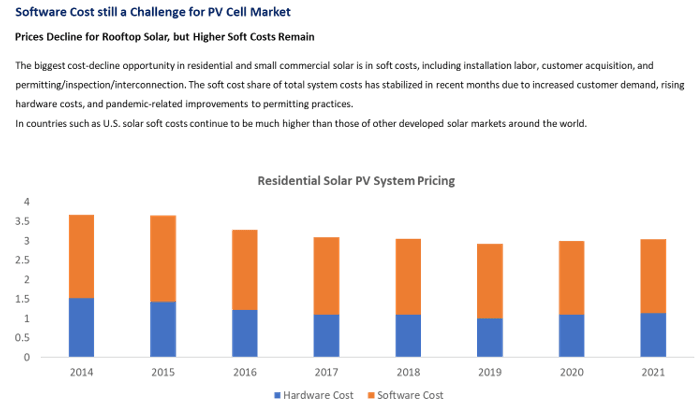
Another challenge is the upfront cost of installing solar panels. While the cost of solar panels has fallen in recent years, they are still relatively expensive, and not everyone has the financial resources to invest in them. This means that governments and other organizations need to provide incentives to encourage the adoption of solar power.
Despite these challenges, the potential benefits of solar PV cells are clear. They have the potential to provide clean, sustainable energy for generations to come, and they can help us reduce our carbon footprint and combat climate change. As technology continues to improve, and costs continue to fall, solar power is likely to become an increasingly important part of our energy mix.
Conclusion
Solar power generation increased by 22% to 179TWh in 2021, exceeding 1000TWh in total. Solar power is one of the most cost-effective power generation options in the world. Solar power accounts for approximately 3.6% of electricity generation worldwide and is the third largest renewable power technology after wind and hydropower.
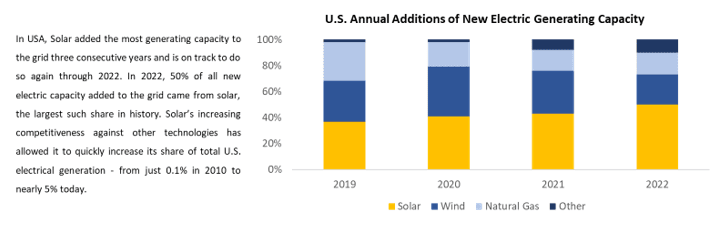
Additionally, the need to achieve net-zero emissions targets in various countries around the world and rising consumer awareness towards green energy will act as catalysts for the global growth of photovoltaic (PV) cells during the forecast period. It’s working. To meet the 2050 net zero emissions policy goal, solar power must grow at an annual growth rate of 25% from 2022 to 2030. Countries around the world are investing heavily in renewable energy to meet their renewable energy goals, and the solar energy market is one of the major energy sources that has experienced a massive boom over the past decade . For example, in the United States, one of the leading solar energy countries, solar energy has recorded an average annual growth rate of 33% in the past decade alone. Thanks to strong federal policies such as the Solar Investment Tax Credit, rapidly declining costs, and increasing private and public sector demand for clean electricity, there is now more than 140 gigawatts of solar capacity installed across the country. , which is enough to power 25 million homes.
So, as we look to the future, it is clear that solar PV cells will play a critical role in our efforts to transition to a more sustainable and environmentally friendly energy system. With continued research and development, and the support of governments and individuals, we can ensure that solar power remains a viable and attractive option for years to come.
Get a Callback
Related News
Subscribe to our newsletters
By submitting this form, I understand that my data will be processed by Univdatos as indicated above and described in the Privacy Policy. *