Middle East & Africa Laparoscopic Devices Market: Current Analysis and Forecast (2025-2033)
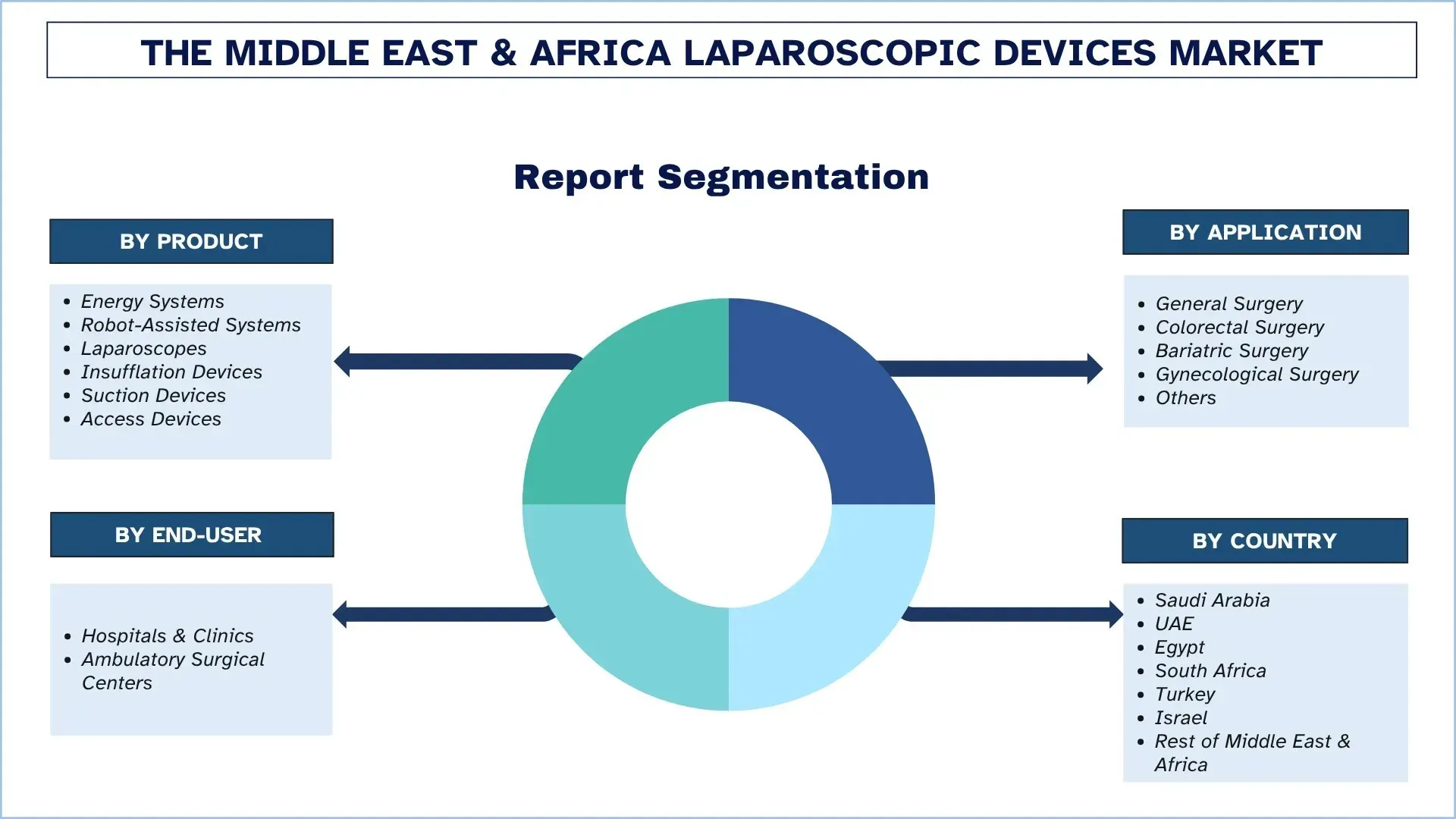
Emphasis By Product (Energy Systems, Robot-Assisted Systems, Laparoscopes, Insufflation Devices, Suction Devices and Access Devices), by Application (General Surgery, Colorectal Surgery, Bariatric Surgery, Gynaecological Surgery, Others), By End-User (Hospitals & Clinics and Ambulatory Surgical ), By Country (Saudi Arabia, UAE, Egypt, South Africa, Turkey, Israel, and the Rest of Middle East & Africa)
Middle East & Africa Laparoscopic Devices Market Size & Forecast
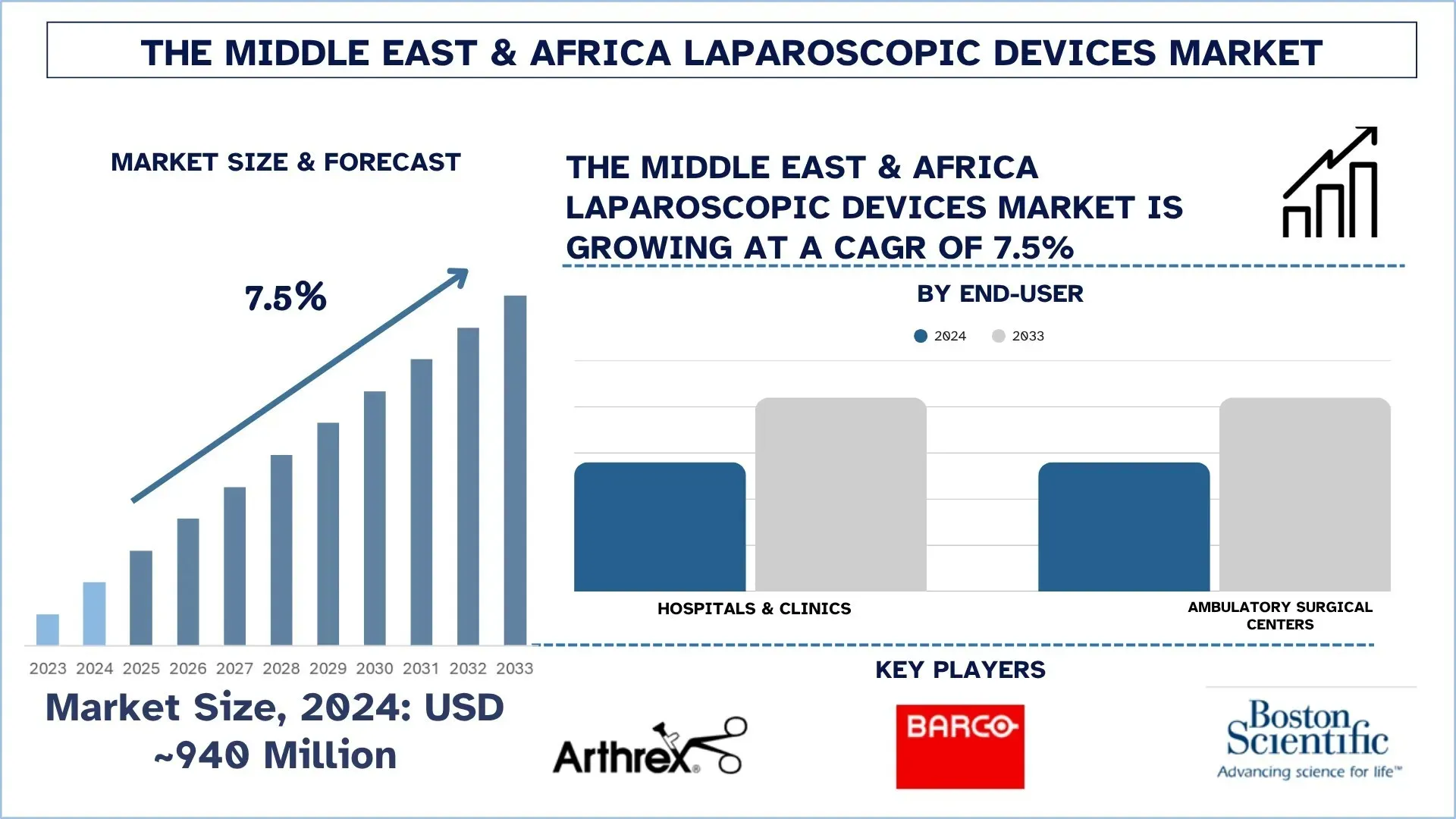
The Middle East & Africa Laparoscopic Devices Market was valued at USD 940 million in 2024 and is expected to grow at a strong CAGR of around 7.50% during the forecast period (2025- 2033F). Rising Burden of Lifestyle and Chronic Disorders, and Expansion of Healthcare Infrastructure in Emerging Economies are some of the key factors that have supported the market rise.
Middle East & Africa Laparoscopic Devices Market Analysis
The laparoscopic device market of the Middle East and Africa is experiencing stable growth due to the increased focus on the practice of minimally invasive surgery in the region. The healthcare systems are slowly shifting towards traditional open operations to the new advanced procedures that have better clinical results and are more comfortable for the patient. The same change is being supported by the increasing awareness of patients, the growth of surgical volumes, and the necessity to maximize hospital resources. Laparoscopy is becoming a popular procedure in countries whose healthcare systems are undergoing changes because the decreased hospitalization and quick recovery are advantages of laparoscopy. On the other hand, the health care providers in the private sector are also investing in the modernization of surgical equipment as a means of differentiating their services in order to appeal to a wider range of patients. Affirmation of the high rate of various ailments that necessitate surgical treatment, such as gastrointestinal, gynecological, and urological, also contributes to the demand. With increased access to healthcare and skills to perform surgery, laparoscopic devices are emerging as a part of contemporary surgical care in the MEA region.
Middle East & Africa Laparoscopic Devices Market Trends
This section discusses the key market trends that are influencing the various segments of the Middle East & Africa Laparoscopic Devices market, as found by our team of research experts.
Integration of Advanced Visualization and Imaging Technologies:
One of the trends that is beginning to be prominent in the MEA laparoscopic devices market is the adoption of modern technologies in visualization and imaging that are helping to improve the accuracy and efficiency of the minimally invasive procedures by a large margin. Contemporary laparoscopic systems are also becoming more and more competitive in terms of their high definition 4K and 3D imaging, which allows surgeons to have a better grasp of clarity and depth in complex surgeries. This enhances visualization, which facilitates the recognition of the anatomy at a better rate and eliminates mistakes and complications. Besides, the combination of fluorescence imaging and real-time navigation systems is making intraoperative decision-making even stronger. Such technological innovations are also useful when the procedures involved are complex, like in oncology and bariatric surgeries, in which accuracy is paramount. With the modernization of the surgical infrastructure and clinical result focus of healthcare providers of the region, the future demand for technologically advanced laparoscopic platforms is projected to experience a continuous increase, making the creation of visualization innovation one of the core aspects of surgical development.
Key Market Segmentation:
This section provides an analysis of the key trends in each segment of the Middle East & Africa Laparoscopic Devices market, along with forecasts at the country and regional levels for 2025-2033.
The Laparoscopes category has shown promising growth in the Laparoscopic Devices Market.
The Middle East and Africa laparoscopic devices market is divided into energy systems, robot-assisted systems, laparoscopes, insufflation devices, suction devices, and access devices based on the products. These groups champion the essential surgical tasks like visualization, tissue management, and fluid management, which facilitate the efficient elimination of surgery by the least invasive surgical means. Of them, laparoscopes have the greatest market share since they are vital in any surgery. Their popularity, constant technological advancement like HD and 3D imaging, and being relatively cheaper than robotic systems make them predominant. Their leading role in the region is further enhanced by the constant demand for their surgical applications in various surgical applications.
The General Surgery held a significant share of the Middle East & Africa Laparoscopic Devices Market.
According to the application, the market of laparoscopic devices in the Middle East and Africa is divided into general surgery, colorectal surgery, bariatric surgery, gynecological surgery, and so forth. These segments are the broad clinical utility of minimally invasive therapy in various areas of therapy. General surgery involves surgical procedures like appendectomy, cholecystectomy, bariatric, and colorectal surgeries, which are also becoming increasingly common with the increasing number of lifestyle-related ailments. The gynecological use is on the rise as well, with the rising awareness and choice of the least invasive treatment. General surgery is the largest market share as it has high volumes of procedures, a routine nature of surgeries, and the popularity of laparoscopy techniques in most healthcare institutions.
The UAE is expected to grow at a considerable rate during the forecast period.
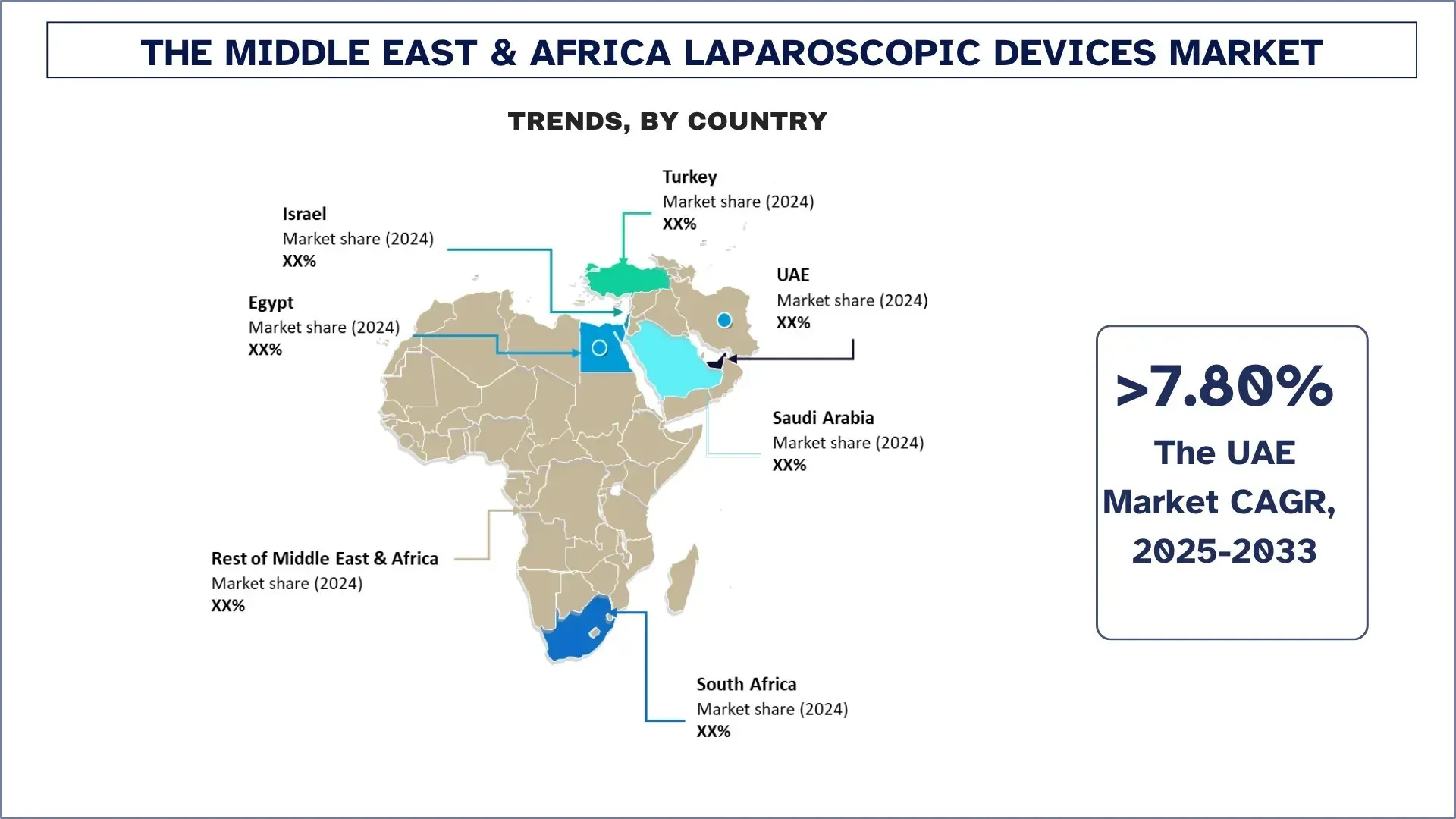
The market of the UAE laparoscopic devices is seen as the fastest growing in the Middle East and Africa region because of the high level of healthcare facilities and the skyrocketing utilization of the minimally invasive surgical methods. The demand for laparoscopic solutions is increasing rapidly due to the strong support of the government, the rise in investments in the private sector, and the status of the country as a medical tourism hub. Robotic-assisted technologies and high-definition imaging platforms are the advanced technologies that hospitals are currently adopting in order to improve the outcome of a surgical procedure. Also, there is an increasing prevalence of lifestyle diseases and increasing awareness among patients, which is also contributing to increased growth in the market, and thus, the UAE can be considered as one of the largest growth drivers of laparoscopic devices within MEA.
Middle East & Africa Laparoscopic Devices Industry Competitive Landscape.
The Middle East & Africa Laparoscopic Devices market is competitive, with several global and international market players. The key players are adopting different growth strategies to enhance their market presence, such as partnerships, agreements, collaborations, new product launches, geographical expansions, and mergers and acquisitions.
Top Middle East & Africa Laparoscopic Devices Companies
Some of the major players in the market are Applied Medical Resources Corporation, Arthrex, Inc., Asensus Surgical, Inc., Aesculap, Inc., B. Braun SE, Boston Scientific Corporation, Medtronic plc, Human Xtensions Ltd., Intuitive Surgical, Inc., and Johnson & Johnson.
Middle East & Africa Laparoscopic Devices Market Report Coverage
Details | |
Base year | 2024 |
Forecast period | 2025-2033 |
Growth momentum | Accelerate at a CAGR of 7.50% |
Market size 2024 | USD 940 Million |
Country analysis | Saudi Arabia, UAE, Egypt, South Africa, Turkey, Israel, and the Rest of the Middle East & Africa |
Major contributing Country | Saudi Arabia is expected to dominate the market during the forecast period. |
Companies profiled | Applied Medical Resources Corporation, Arthrex, Inc., Asensus Surgical, Inc., Aesculap, Inc., B. Braun SE, Boston Scientific Corporation, Medtronic plc, Human Xtensions Ltd., Intuitive Surgical, Inc., and Johnson & Johnson. |
Report Scope | Market Trends, Drivers, and Restraints; Revenue Estimation and Forecast; Segmentation Analysis; Demand and Supply Side Analysis; Competitive Landscape; Company Profiling |
Segments Covered | by Product, by Application, by End-User, by Country |
Reasons to Buy the Middle East & Africa Laparoscopic Devices Market Report:
The study includes market sizing and forecasting analysis confirmed by authenticated key industry experts.
The report briefly reviews overall industry performance at a glance.
The report covers an in-depth analysis of prominent industry peers, primarily focusing on key business financials, type portfolios, expansion strategies, and recent developments.
Detailed examination of drivers, restraints, key trends, and opportunities prevailing in the industry.
The study comprehensively covers the market across different segments.
Deep dive Country-level analysis of the industry.
Customization Options:
The Middle East & Africa Laparoscopic Devices Market can be customized as per requirements or any other market segment. Besides this, UnivDatos understands that you may have your own business needs; hence, feel free to contact us to get a report that completely suits your requirements.
Table of Content
Research Methodology for the Middle East & Africa Laparoscopic Devices Market Analysis (2023-2033)
We analyzed the historical market, estimated the current market, and forecasted the future market of the Middle East & Africa Laparoscopic Devices market to assess its application in major countries. We conducted exhaustive secondary research to gather historical market data and estimate the current market size. To validate these insights, we carefully reviewed numerous findings and assumptions. Additionally, we conducted in-depth primary interviews with industry experts across the Laparoscopic Devices value chain. After validating market figures through these interviews, we used both top-down and bottom-up approaches to forecast the overall market size. We then employed market breakdown and data triangulation methods to estimate and analyze the market size of industry segments and sub-segments.
Market Engineering
We employed data triangulation techniques to finalize the overall market estimation and derive precise statistical numbers for each segment and sub-segment of the Middle East & Africa Laparoscopic Devices market. We split the data into several segments and sub-segments by analyzing various parameters and trends, by Product, by Application, by End-User, and by country within the Middle East & Africa Laparoscopic Devices market.
The Main Objective of the Middle East & Africa Laparoscopic Devices Market Study
The study identifies current and future trends in the Middle East & Africa Laparoscopic Devices market, providing strategic insights for investors. It highlights Country-level market attractiveness, enabling industry participants to tap into untapped markets and gain a first-mover advantage. Other quantitative goals of the studies include:
Market Size Analysis: Assess the current forecast and market size of the Middle East & Africa Laparoscopic Devices market and its segments in terms of value (USD).
Middle East & Africa Laparoscopic Devices Market Segmentation: Segments in the study include areas by Product, by Application, by End-User, and by
Regulatory Framework & Value Chain Analysis: Examine the regulatory framework, value chain, customer behavior, and competitive landscape of the Middle East & Africa Laparoscopic Devices industry.
Country Analysis: Conduct a detailed Country analysis for key areas such as Saudi Arabia, UAE, Egypt, South Africa, Turkey, Israel, and the Rest of the Middle East & Africa.
Company Profiles & Growth Strategies: Company profiles of the Middle East & Africa Laparoscopic Devices market and the growth strategies adopted by the market players to sustain the fast-growing market.
Frequently Asked Questions FAQs
Q1: What is the Middle East & Africa Laparoscopic Devices market’s current market size and growth potential?
The Middle East & Africa Laparoscopic Devices market was valued at 940 million in 2024 and is expected to grow at a CAGR of 7.50% during the forecast period (2025-2033).
Q2: Which segment has the largest share of the Middle East & Africa Laparoscopic Devices market by Product?
Laparoscopes have the greatest market share since they are vital in any surgery. Their popularity, constant technological advancement like HD and 3D imaging, and being relatively cheaper than robotic systems make them predominant.
Q3: What are the driving factors for the growth of the Middle East & Africa Laparoscopic Devices market?
• Rising burden of lifestyle and chronic disorders: The increasing prevalence of conditions such as obesity, gastrointestinal diseases, and gynecological disorders is significantly driving the demand for laparoscopic procedures, as these techniques offer safer and more efficient surgical outcomes.
• Expansion of healthcare infrastructure in emerging economies: Growing investments in hospitals, surgical centers, and advanced operating facilities across MEA countries are improving access to modern surgical technologies, thereby accelerating the adoption of laparoscopic devices.
Q4: What are the emerging technologies and trends in the Middle East & Africa Laparoscopic Devices market?
• Integration of advanced visualization and imaging technologies: The adoption of high-definition, 3D, and 4K imaging systems is enhancing surgical precision and enabling better intraoperative decision-making in minimally invasive procedures.
• Growing adoption of disposable and single-use instruments: Increasing focus on infection prevention and operational efficiency is driving the demand for single-use laparoscopic tools, particularly in high-volume and resource-constrained healthcare settings.
Q5: What are the key challenges in the Middle East & Africa Laparoscopic Devices market?
• High cost of equipment and procedures: The significant capital investment required for laparoscopic systems and associated maintenance costs can limit adoption, especially in cost-sensitive healthcare environments.
• Shortage of skilled surgeons and technical expertise: Limited availability of trained professionals capable of performing advanced laparoscopic procedures poses a barrier to the widespread utilization of these technologies across certain regions.
Q6: Which country dominates the Middle East & Africa Laparoscopic Devices market?
Saudi Arabia's laparoscopic devices market continues to show a steady growth due to the ongoing healthcare transformation efforts and the shift to the use of minimally invasive surgical procedures. Increased levels of lifestyle-related diseases, such as obesity and gastrointestinal diseases, are pushing up demand for innovative surgical interventions.
Q7: Who are the key players in the Middle East & Africa Laparoscopic Devices market?
Some of the top Laparoscopic Devices companies in the Middle East & Africa include:
• Applied Medical Resources Corporation
• Arthrex, Inc.
• Asensus Surgical, Inc.
• Aesculap, Inc.
• B. Braun SE
• Boston Scientific Corporation
• Medtronic plc
• Human Xtensions Ltd.
• Intuitive Surgical, Inc.
• Johnson & Johnson
Q8: What are the opportunities for companies within the Middle East & Africa Laparoscopic Devices market?
• Untapped potential in rural and underserved areas: A large portion of the population in MEA still lacks access to advanced surgical care, creating significant opportunities for expanding laparoscopic services through infrastructure development and mobile or outreach healthcare solutions.
• Rising medical tourism in select MEA countries: Countries such as the UAE and South Africa are emerging as preferred destinations for affordable and high-quality surgical treatments, encouraging investments in advanced laparoscopic technologies to attract international patients and enhance healthcare competitiveness.
Q9: How are consumer preferences shaping product development in the Middle East & Africa Laparoscopic Devices market?
Consumer preferences in the Middle East & Africa laparoscopic devices market are driving demand for minimally invasive, cost-effective, and safe solutions. This is encouraging manufacturers to develop advanced imaging systems, user-friendly instruments, and single-use devices that enhance surgical precision, efficiency, and patient outcomes.
Related Reports
Customers who bought this item also bought

Intramedullary Nail Leg Lengthening Market: Current Analysis and Forecast (2025-2033)
Emphasis on Technology (Magnetically Controlled Intramedullary Lengthening Nails, Motorized Intramedullary Lengthening Nails, Mechanical Intramedullary Lengthening Nails); Indication (Medical/Reconstructive Indication, Cosmetic/Stature Lengthening); Bone Type (Femoral Lengthening Nails, Tibial Lengthening Nails); End-use (Hospitals, Specialty Orthopedic Clinics, Other); and Region/Country
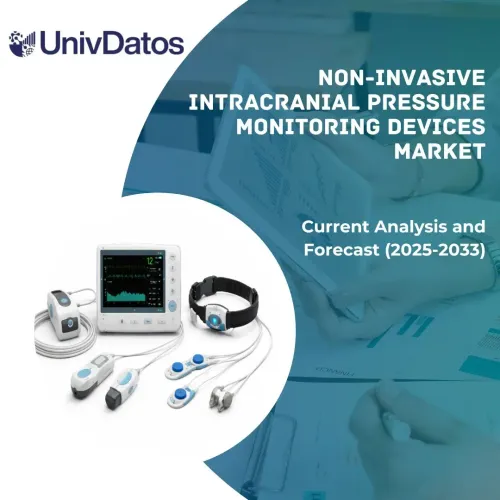
Non-Invasive Intracranial Pressure Monitoring Devices Market: Current Analysis and Forecast (2025-2033)
Emphasis on Technology (MRI/CT, Optic Nerve Sheath Diameter (ONSD) Ultrasound, Transcranial Doppler (TCD), Near-Infrared Spectroscopy (NIRS), and Others); Applications (Traumatic Brain Injury, Meningitis, Stroke, Intracerebral Hemorrhage, and Others); End-User (Hospitals & ICUs, Neurology Clinics, Ambulance & Emergency Services, Home Care Settings, and Others); and Region/Country
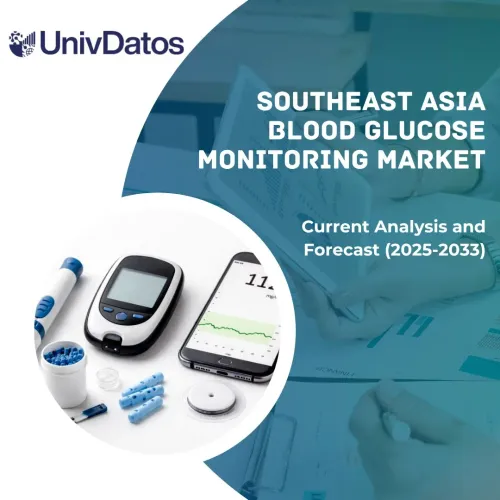
Southeast Asia Blood Glucose Monitoring Market: Current Analysis and Forecast (2025-2033)
Emphasis on Product Type (Self-Monitoring Blood Glucose (SMBG) Systems, {Glucometers, Testing Strips, Lancets & Lancing Devices}, Continuous Glucose Monitoring (CGM) Systems, {Sensors, Transmitters, Receivers}); Application (Diabetes Management, Health & Wellness Monitoring, Others); End-User (Hospitals & Clinics, Home-Care Settings, Diagnostic Centers, Others); and Country.
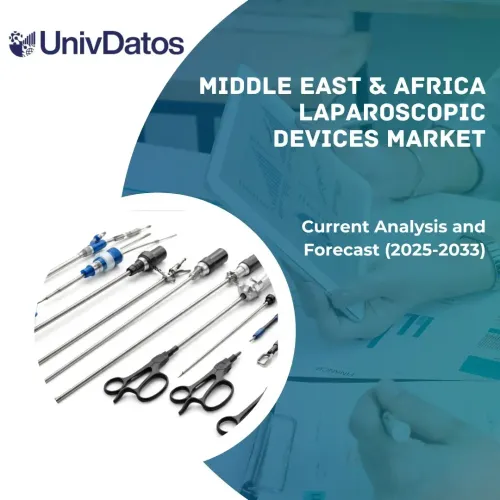
Middle East & Africa Laparoscopic Devices Market: Current Analysis and Forecast (2025-2033)
Emphasis By Product (Energy Systems, Robot-Assisted Systems, Laparoscopes, Insufflation Devices, Suction Devices and Access Devices), by Application (General Surgery, Colorectal Surgery, Bariatric Surgery, Gynaecological Surgery, Others), By End-User (Hospitals & Clinics and Ambulatory Surgical ), By Country (Saudi Arabia, UAE, Egypt, South Africa, Turkey, Israel, and the Rest of Middle East & Africa)