Southeast Asia Blood Glucose Monitoring Market: Current Analysis and Forecast (2025-2033)
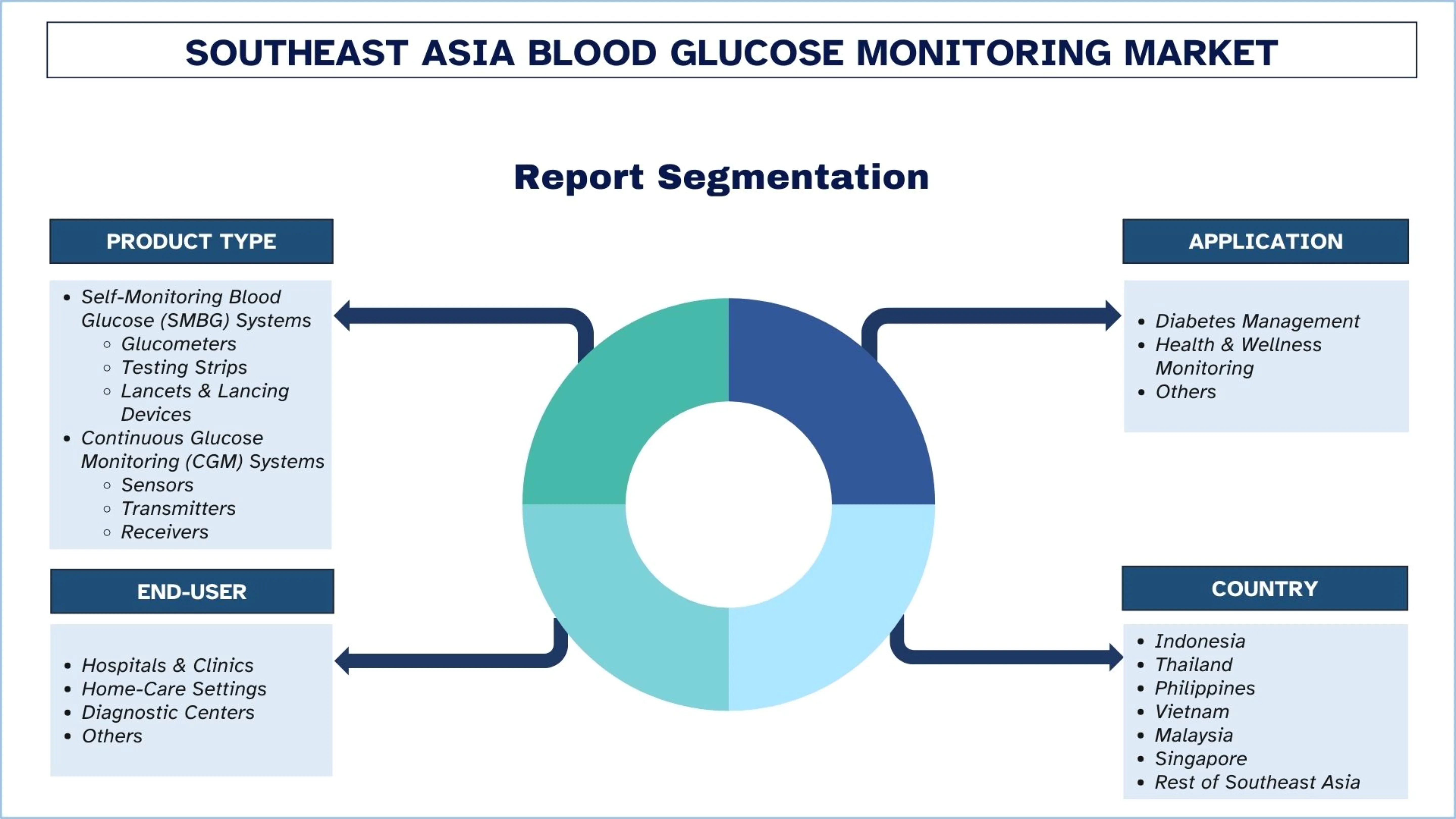
Emphasis on Product Type (Self-Monitoring Blood Glucose (SMBG) Systems, {Glucometers, Testing Strips, Lancets & Lancing Devices}, Continuous Glucose Monitoring (CGM) Systems, {Sensors, Transmitters, Receivers}); Application (Diabetes Management, Health & Wellness Monitoring, Others); End-User (Hospitals & Clinics, Home-Care Settings, Diagnostic Centers, Others); and Country.
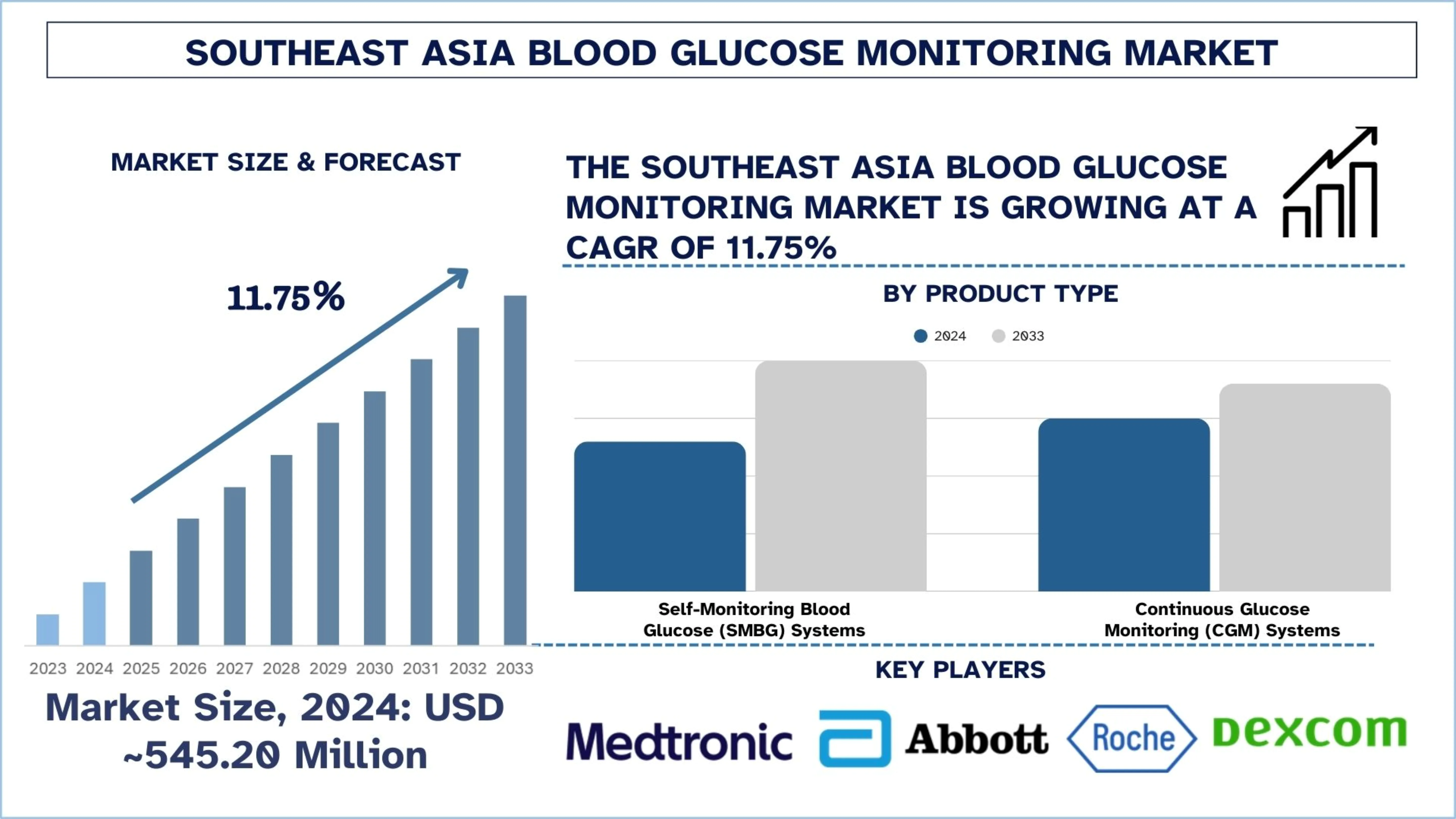
Southeast Asia Blood Glucose Monitoring Market Size & Forecast
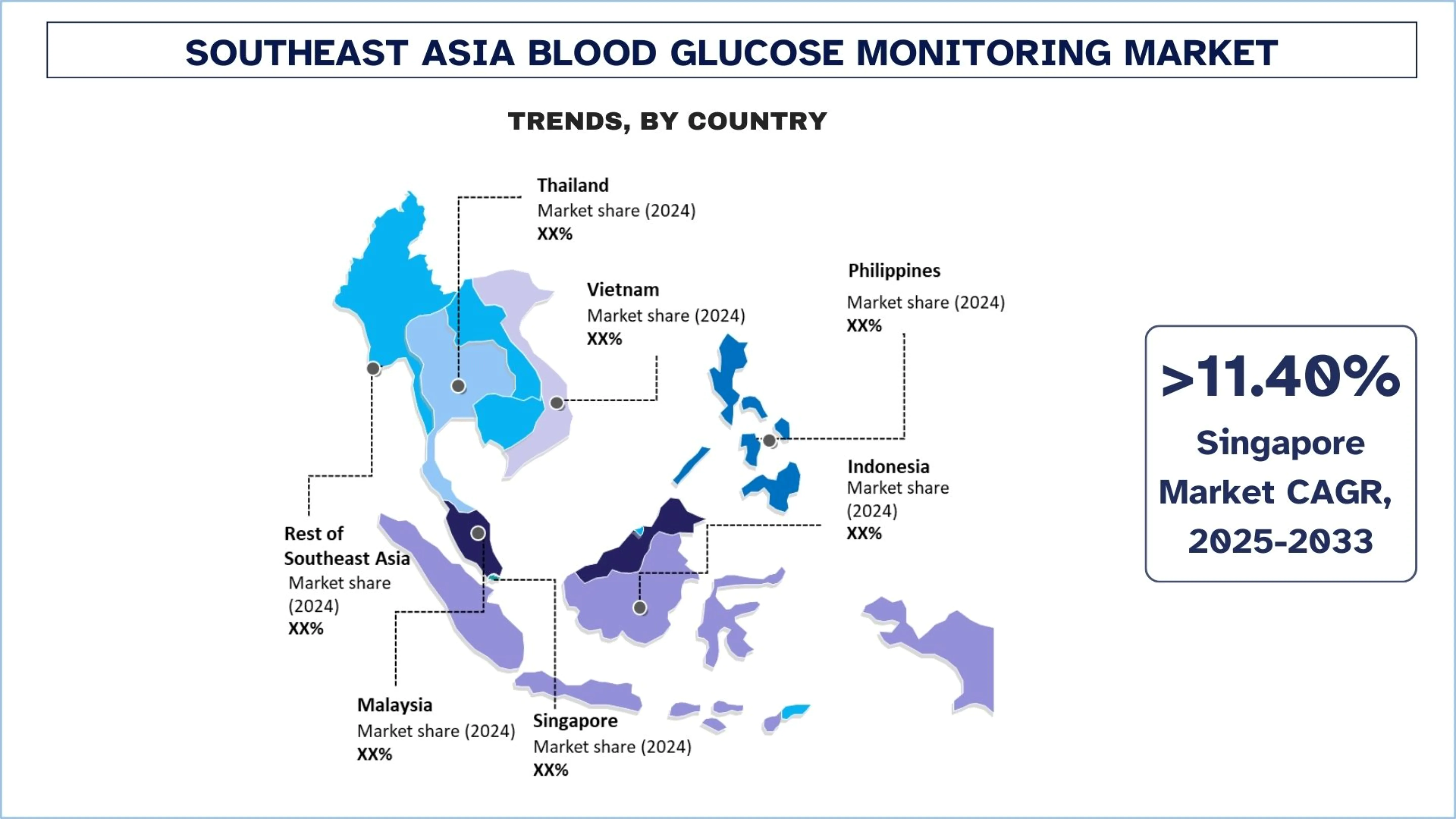
The Southeast Asia Blood Glucose Monitoring market was valued at ~USD 545.20 million in 2024 and is expected to grow at a strong CAGR of approximately 11.75% during the forecast period (2025-2033F), driven by the rising prevalence of diabetes and increasing awareness of long-term diabetes management.
Southeast Asia Blood Glucose Monitoring Market Analysis
Blood glucose monitoring is the measurement of blood glucose levels to help people manage diabetes and prevent complications of abnormal blood sugar levels. It also involves self-monitoring blood glucose (SMBG) with the glucometers and continuous glucose monitoring (CGM) systems, which transmit real-time glucose levels.
In Southeast Asia, market growth is driven by the broader adoption of digital diabetes care models, the expansion of access to pharmacy-related devices, the integration of glucose monitoring with mobile health applications, and the greater adoption of wearable sensors as real-time tracking platforms. In addition, healthcare systems are promoting home-based management of diabetes to relieve hospital load, and distributors are enhancing the local supply chain for test strips, lancets, and related monitoring devices. Moreover, both urban and semi-urban populations are accelerating device penetration by increasing screening campaigns and remote patient monitoring programs by both public and private healthcare institutions.
For example, on November 12, 2024, Dexcom Malaysia Sdn. Bhd. (Dexcom), a renowned global leader in continuous glucose monitoring for people with diabetes, announced the opening of its new state-of-the-art facility at Batu Kawan Industrial Park (BKIP), Penang, Malaysia. The facility will house Dexcom’s Trinity North and South Campus operations on a 28-acre plot, spanning approximately 887,510 square feet. The establishment of this new facility highlights Dexcom’s continued commitment to taking control of health through innovative continuous glucose monitoring (CGM) systems. It also reaffirms Penang’s reputation as a global hub for advanced technological industries, reinforcing its position as a preferred destination for high-quality manufacturing and innovation.
Southeast Asia Blood Glucose Monitoring Market Trends
This section discusses the key market trends that are influencing the various segments of the Southeast Asia Blood Glucose Monitoring market, as found by our team of research experts.
Increasing Focus on AI-Driven Diabetes Management Platforms
The growing focus on AI-Driven Diabetes Management Platforms is a key trend in Southeast Asia, with healthcare providers and digital health service providers turning to artificial intelligence to deliver predictive diabetes care through glucose monitoring devices. This enhances patient compliance, early identification of risks, and minimization of outbursts of uncontrolled blood sugar. Also, the driving higher demand for connected CGM devices, as the continuous provision of data is a key requirement for AI-based analytics. With the development of telehealth and remote chronic disease monitoring in Southeast Asian healthcare systems, the integration of AI is directly increasing the adoption of advanced blood glucose monitoring technology.
For instance, on September 22, 2025, BUZUD unveiled AI-Driven Continuous Glucose Monitoring At 3rd Borneo Diabetes Conference. BUZUD debuted its Singapore-engineered, AI-driven Continuous Glucose Monitoring (CGM) 2.0 system. BUZUD’s next-generation CGM 2.0 transforms raw glucose data into actionable intelligence.
Southeast Asia Blood Glucose Monitoring Industry Segmentation
This section provides an analysis of the key trends in each segment of the Southeast Asia Blood Glucose Monitoring market, along with forecasts at the country level for 2025-2033.
The Continuous Glucose Monitoring (CGM) Systems market is expected to grow at a significant CAGR during the forecast period (2025-2033).
Based on product type, the market is segmented into Self-Monitoring Blood Glucose (SMBG) Systems, Glucometers, which are sub-segmented into testing strips, lancets & lancing devices, and Continuous Glucose Monitoring (CGM) Systems, which are sub-segmented into sensors, transmitters, and receivers. Among these, the Continuous Glucose Monitoring (CGM) Systems market is expected to grow at a significant CAGR during the forecast period (2025-2033). This is driven by the enhancement of real-time glucose monitoring and the reduction of reliance on routine finger-prick testing. The growing awareness of urban diabetic populations has led to increased adoption, while the integration of digital health technologies is advancing rapidly. Furthermore, companies are enhancing their presence due to sensor innovation, mobile app connectivity, and collaboration with hospitals and endocrinology centers. For example, on August 7, 2024, Abbott announced a unique global partnership with Medtronic to collaborate on an integrated continuous glucose monitoring (CGM) system based on Abbott's most advanced, world-leading FreeStyle Libre technology that will connect with Medtronic's automated insulin delivery (AID) and smart insulin pen systems. The integration of Abbott's CGM sensor with Medtronic's AID algorithms will enable automatic adjustments of insulin to keep glucose in range. The CGM sensor, designed to work exclusively with Medtronic devices, will be developed by Abbott and sold by Medtronic.
The diabetes management segment held the largest share in 2024 of the Blood Glucose Monitoring market.
Based on the application, the market is segmented into diabetes management, health & wellness monitoring, and others. Among these, the diabetes management segment held the dominant share of the Southeast Asia Blood Glucose Monitoring market in 2024. The rising prevalence of diabetes and management of diabetes in Southeast Asia is a key driver of demand for blood sugar monitoring products. The increased product portfolios are due to the importance of glucose monitoring in the long-term treatment regimens, physician-directed monitoring programs, and prevention programs of comorbidities. The penetration of devices in both the government-provided and personal healthcare sectors is also growing, driven by government screening programs and rising diagnosis rates. In September 2025, in the WHO South-East Asia Region, nearly 246 million people aged 30 years and above are estimated to have diabetes. More than half of the people with diabetes are unaware of the condition. It is estimated that 68 million people with diabetes are on treatment, underlining the treatment gap of 177 million in the region. Diabetes is responsible for around 480,00 deaths annually in the Region.
Singapore held a dominant share of the Southeast Asian Blood Glucose Monitoring market in 2024
Singapore led Southeast Asia's blood glucose monitoring market because of high rates of diabetes, advanced digital healthcare infrastructure, and early adoption of connected medical technologies. The diabetes control programs introduced by the government, such as nationwide screening and chronic disease management programs, will continue to drive demand for advanced monitoring systems like CGM. Also, the presence of private specialty clinics and high insurance coverage would promote the use of high-end glucose monitoring products. Moreover, consumer awareness of preventive monitoring and mobile-linked health-tracking devices is rising, driving market demand. Moreover, the inclusion of glucose-tracking information in telehealth applications is enhancing long-term market growth in the country.
For example, on November 19, 2024, Health2Sync, a leading digital health company, announced a partnership with the Health Promotion Board (HPB) of Singapore and Abbott on "DigiCoach," a fully automated engagement program that leverages Continuous Glucose Monitors (CGMs) and their data. The program aims to empower individuals with pre-diabetes or high Body Mass Index (BMI) to take control of their health and prevent or delay the onset of diabetes through the use of technology and personalized coaching.
Southeast Asia Blood Glucose Monitoring Industry Competitive Landscape
The Southeast Asia Blood Glucose Monitoring market is competitive, with several global and international market players. The key players are adopting different growth strategies to enhance their market presence, such as partnerships, agreements, collaborations, new product launches, geographical expansions, and mergers and acquisitions.
Top Southeast Asia Blood Glucose Monitoring Companies
Some of the major players in the market are Medtronic, Abbott, Roche Diabetes Care, Inc. (Roche Holding AG), Dexcom, Inc., Ascensia Diabetes Care Holdings AG (PHC Holdings Corporation), ARKRAY, Inc., ForaCare, Inc., i-SENS, Inc., Terumo Asia Holdings Pte. Ltd. (Terumo Corporation), and Nipro Corporation.
Recent Developments in the Southeast Asia Blood Glucose Monitoring Market
On December 24, 2025, Daewoong Pharmaceutical (hereinafter “Daewoong”) announced that it had officially obtained marketing authorization from Indonesia’s National Agency of Drug and Food Control (BPOM) for its new diabetes drug, Enavogliflozin.
On July 10, 2024, Danish drugmaker Novo Nordisk opened a new tab and signed a deal with Indonesia's state-owned pharmaceutical company Bio Farma to package insulin to combat diabetes in the Southeast Asian country.
Southeast Asia Blood Glucose Monitoring Market Report Coverage
Report Attribute | Details |
Base year | 2024 |
Forecast period | 2025-2033 |
Growth momentum | Accelerate at a CAGR of 11.75% |
Market size 2024 | ~USD 545.20 million |
Country analysis | Indonesia, Thailand, Philippines, Vietnam, Malaysia, Singapore, Rest of Southeast Asia |
Major contributing Country | Vietnam is expected to grow at the highest CAGR during the forecasted period. |
Companies profiled | Medtronic, Abbott, Roche Diabetes Care, Inc. (Roche Holding AG), Dexcom, Inc., Ascensia Diabetes Care Holdings AG (PHC Holdings Corporation), ARKRAY, Inc., ForaCare, Inc., i-SENS, Inc., Terumo Asia Holdings Pte. Ltd. (Terumo Corporation), and Nipro Corporation |
Report Scope | Market Trends, Drivers, and Restraints; Revenue Estimation and Forecast; Segmentation Analysis; Demand and Supply Side Analysis; Competitive Landscape; Company Profiling |
Segments Covered | By Product type, By Application, By End-User, By Country |
Reasons to Buy the Southeast Asia Blood Glucose Monitoring Market Report:
The study includes market sizing and forecasting analysis confirmed by authenticated key industry experts.
The report briefly reviews overall industry performance at a glance.
The report covers an in-depth analysis of prominent industry peers, primarily focusing on key business financials, product portfolios, expansion strategies, and recent developments.
Detailed examination of drivers, restraints, key trends, and opportunities prevailing in the industry.
The study comprehensively covers the market across different segments.
Customization Options:
The Southeast Asia Blood Glucose Monitoring market can further be customized as per requirements or any other market segment. Besides this, UnivDatos understands that you may have your own business needs; hence, feel free to contact us to get a report that completely suits your requirements.
Table of Content
Research Methodology for the Southeast Asia Blood Glucose Monitoring Market Analysis (2023-2033)
We analyzed the historical market, estimated the current market, and forecasted the future market of the Southeast Asian Blood Glucose Monitoring market to assess its application in major countries. We conducted exhaustive secondary research to gather historical market data and estimate the current market size. To validate these insights, we carefully reviewed numerous findings and assumptions. Additionally, we conducted in-depth primary interviews with industry experts across the Southeast Asian Blood Glucose Monitoring value chain. After validating market figures through these interviews, we used both top-down and bottom-up approaches to forecast the overall market size. We then employed market breakdown and data triangulation methods to estimate and analyze the market size of industry segments and sub-segments.
Market Engineering
We employed the data triangulation technique to finalize the overall market estimation and derive precise statistical numbers for each segment and sub-segment of the Southeast Asia Blood Glucose Monitoring market. We split the data into several segments and sub-segments by analyzing various parameters and trends, including product type, application, end-user, and country within the Southeast Asian Blood Glucose Monitoring market.
The Main Objective of the Southeast Asia Blood Glucose Monitoring Market Study
The study identifies current and future trends in the Southeast Asia Blood Glucose Monitoring market, providing strategic insights for investors. It highlights market attractiveness, enabling industry participants to tap into untapped markets and gain a first-mover advantage. Other quantitative goals of the studies include:
Market Size Analysis: Assess the current and forecast market size of the Southeast Asia Blood Glucose Monitoring market and its segments in terms of value (USD).
Southeast Asia Blood Glucose Monitoring Market Segmentation: Segments in the study include areas of product type, application, end-user, and country.
Regulatory Framework & Value Chain Analysis: Examine the regulatory framework, value chain, customer behavior, and competitive landscape of the Southeast Asia Blood Glucose Monitoring industry.
Country Analysis: Conduct a detailed country analysis for key areas such as Indonesia, Thailand, the Philippines, Vietnam, Malaysia, Singapore, and the Rest of Southeast Asia.
Company Profiles & Growth Strategies: Company profiles of the Southeast Asia Blood Glucose Monitoring market and the growth strategies adopted by the market players to sustain the fast-growing market.
Frequently Asked Questions FAQs
Q1: What is the Southeast Asia Blood Glucose Monitoring market’s current market size and growth potential?
The Southeast Asia Blood Glucose Monitoring market was valued at ~USD 545.20 million in 2024 and is projected to expand at a CAGR of 11.75% from 2025 to 2033. The market expansion is being supported by the increasing diabetic population, rising demand for early glucose monitoring, and stronger adoption of digital healthcare technologies across regional healthcare systems. Growing investments in diabetes management programs are also improving long-term market potential.
Q2: Which segment has the largest share of the Southeast Asia Blood Glucose Monitoring market by product type?
Self-Monitoring Blood Glucose (SMBG) systems currently account for the largest market share due to their affordability, widespread availability, and strong use in routine diabetes monitoring. Their adoption remains high across hospitals, clinics, retail pharmacies, and home-care environments, particularly in price-sensitive Southeast Asian countries where accessibility remains a major purchasing factor.
Q3: What are the driving factors for the growth of the Southeast Asia Blood Glucose Monitoring market?
The market is primarily driven by the rising prevalence of diabetes, increasing awareness of long-term diabetes management, and expanding demand for home-based monitoring solutions. Additional growth is supported by urban lifestyle changes, aging populations, and government-led screening programs that encourage early diagnosis and regular glucose testing.
Q4: What are the emerging technologies and trends in the Southeast Asia Blood Glucose Monitoring market?
Major trends include rising adoption of Continuous Glucose Monitoring (CGM) systems, smartphone-connected glucose monitoring devices, sensor miniaturization, and integration with digital diabetes management platforms. Companies are also investing in cloud-based monitoring solutions and remote patient management tools to improve treatment efficiency.
Q5: What are the key challenges in the Southeast Asia Blood Glucose Monitoring market?
Key challenges include limited affordability of advanced CGM systems, uneven reimbursement structures across countries, and lower penetration of diabetes monitoring devices in rural areas. In several developing Southeast Asian markets, distribution gaps and limited patient awareness continue to restrict full market potential.
Q6: Which country dominates the Southeast Asia Blood Glucose Monitoring market?
Singapore leads the regional market due to its advanced healthcare infrastructure, high diabetes awareness, strong adoption of digital medical devices, and supportive chronic disease management policies. The country also benefits from high healthcare expenditure and strong private-sector technology adoption.
Q7: Who are the key players in the Southeast Asia Blood Glucose Monitoring market?
Leading companies in the Southeast Asia Blood Glucose Monitoring market include:
• Medtronic
• Abbott
• Roche Diabetes Care, Inc. (Roche Holding AG)
• Dexcom, Inc.
• Ascensia Diabetes Care Holdings AG (PHC Holdings Corporation)
• ARKRAY, Inc.
• ForaCare, Inc.
• i-SENS, Inc.
• Terumo Asia Holdings Pte. Ltd. (Terumo Corporation)
• Nipro Corporation
Q8: How are investors and manufacturers responding to changing demand in the Southeast Asia Blood Glucose Monitoring market?
Investors and manufacturers are increasingly focusing on low-cost monitoring technologies, localized product distribution, and digital diabetes management ecosystems. Strategic partnerships with hospitals, telehealth providers, and regional distributors are becoming central to long-term expansion strategies across Southeast Asia.
Q9: How is the competitive landscape evolving in the Southeast Asia Blood Glucose Monitoring market?
The competitive landscape is evolving through product differentiation, sensor innovation, and stronger regional distribution strategies as global and regional players compete for greater market penetration. Companies are increasingly introducing connected monitoring devices, expanding after-sales support, and forming partnerships with healthcare providers to strengthen brand presence. Market competition is also intensifying as manufacturers focus on affordability and localized offerings to address diverse demand across Southeast Asian countries.
Related Reports
Customers who bought this item also bought
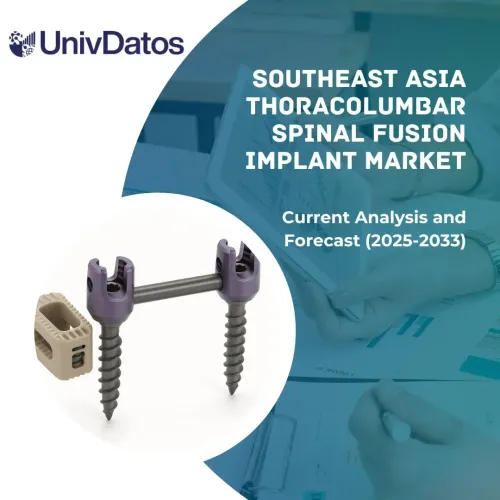
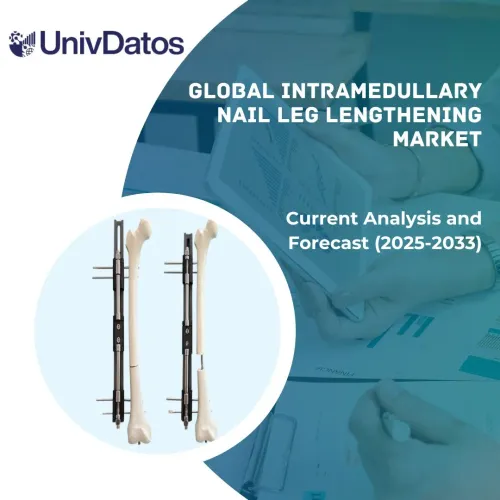
Intramedullary Nail Leg Lengthening Market: Current Analysis and Forecast (2025-2033)
Emphasis on Technology (Magnetically Controlled Intramedullary Lengthening Nails, Motorized Intramedullary Lengthening Nails, Mechanical Intramedullary Lengthening Nails); Indication (Medical/Reconstructive Indication, Cosmetic/Stature Lengthening); Bone Type (Femoral Lengthening Nails, Tibial Lengthening Nails); End-use (Hospitals, Specialty Orthopedic Clinics, Other); and Region/Country
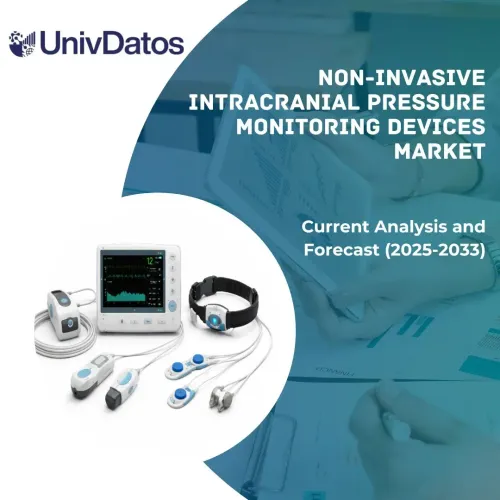
Non-Invasive Intracranial Pressure Monitoring Devices Market: Current Analysis and Forecast (2025-2033)
Emphasis on Technology (MRI/CT, Optic Nerve Sheath Diameter (ONSD) Ultrasound, Transcranial Doppler (TCD), Near-Infrared Spectroscopy (NIRS), and Others); Applications (Traumatic Brain Injury, Meningitis, Stroke, Intracerebral Hemorrhage, and Others); End-User (Hospitals & ICUs, Neurology Clinics, Ambulance & Emergency Services, Home Care Settings, and Others); and Region/Country
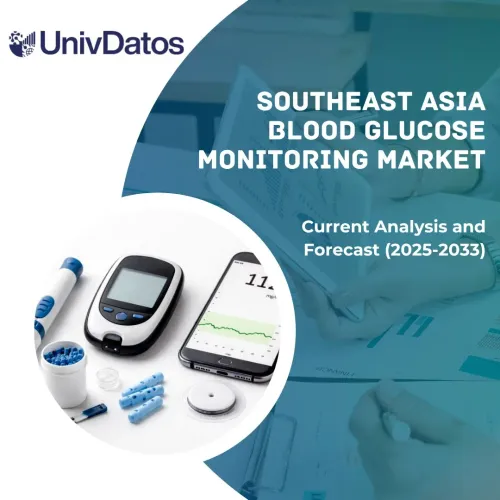
Southeast Asia Blood Glucose Monitoring Market: Current Analysis and Forecast (2025-2033)
Emphasis on Product Type (Self-Monitoring Blood Glucose (SMBG) Systems, {Glucometers, Testing Strips, Lancets & Lancing Devices}, Continuous Glucose Monitoring (CGM) Systems, {Sensors, Transmitters, Receivers}); Application (Diabetes Management, Health & Wellness Monitoring, Others); End-User (Hospitals & Clinics, Home-Care Settings, Diagnostic Centers, Others); and Country.
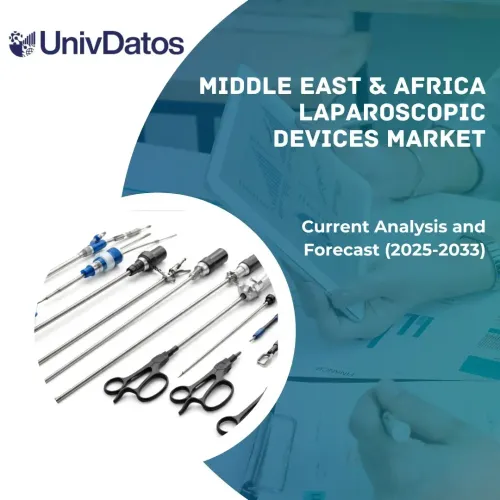
Middle East & Africa Laparoscopic Devices Market: Current Analysis and Forecast (2025-2033)
Emphasis By Product (Energy Systems, Robot-Assisted Systems, Laparoscopes, Insufflation Devices, Suction Devices and Access Devices), by Application (General Surgery, Colorectal Surgery, Bariatric Surgery, Gynaecological Surgery, Others), By End-User (Hospitals & Clinics and Ambulatory Surgical ), By Country (Saudi Arabia, UAE, Egypt, South Africa, Turkey, Israel, and the Rest of Middle East & Africa)