Southeast Asia Pacemakers Market: Current Analysis and Forecast (2025-2033)
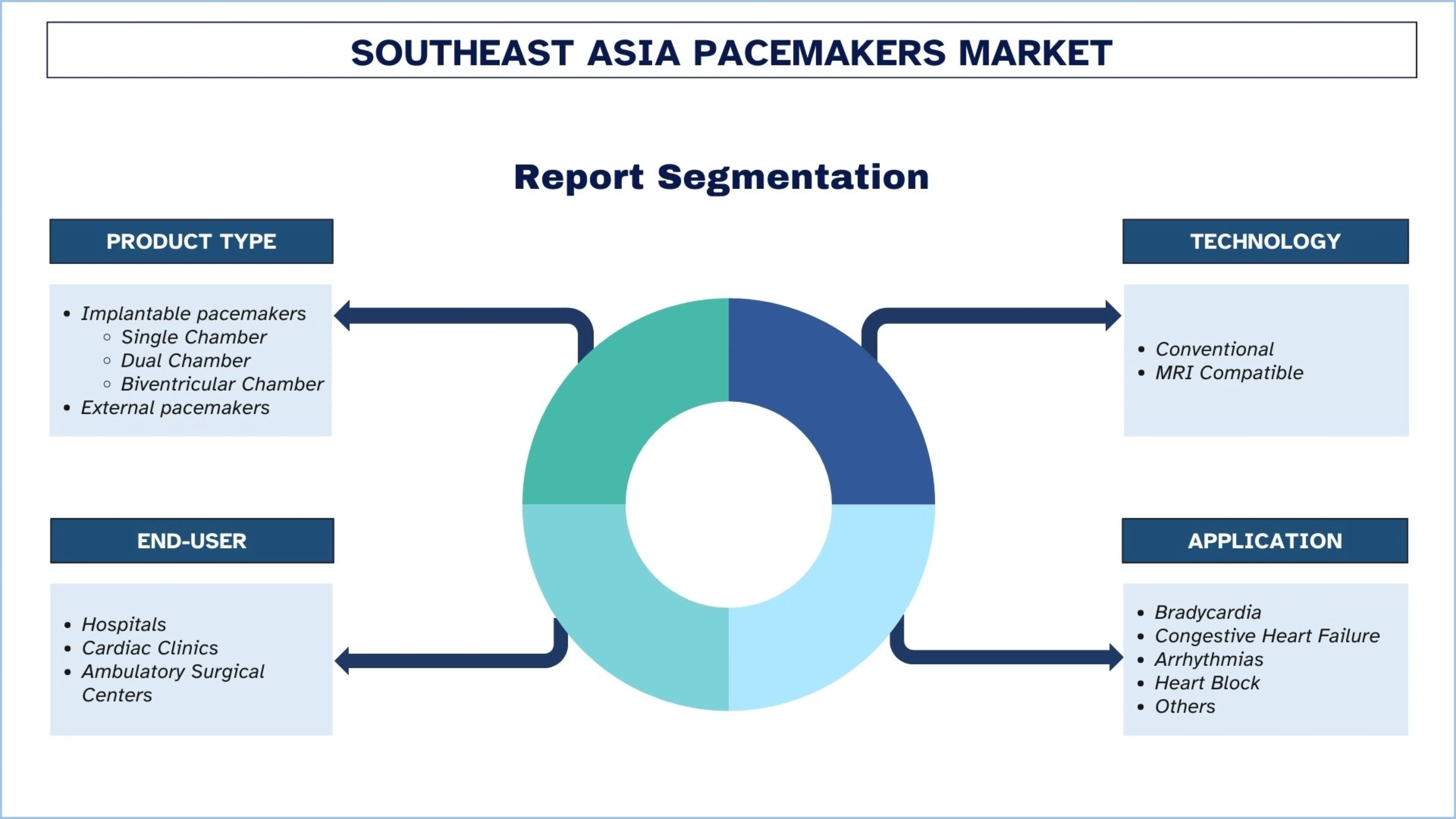
Emphasis on Product Type (Implantable Pacemakers {Single Chamber, Dual Chamber, Biventricular Chamber}, External Pacemakers); Technology (Conventional, MRI Compatible); End-User (Hospitals, Cardiac Clinics, Ambulatory Surgical Centers); Application (Bradycardia, Congestive Heart Failure, Arrhythmias, Heart Block, Others); and Country.
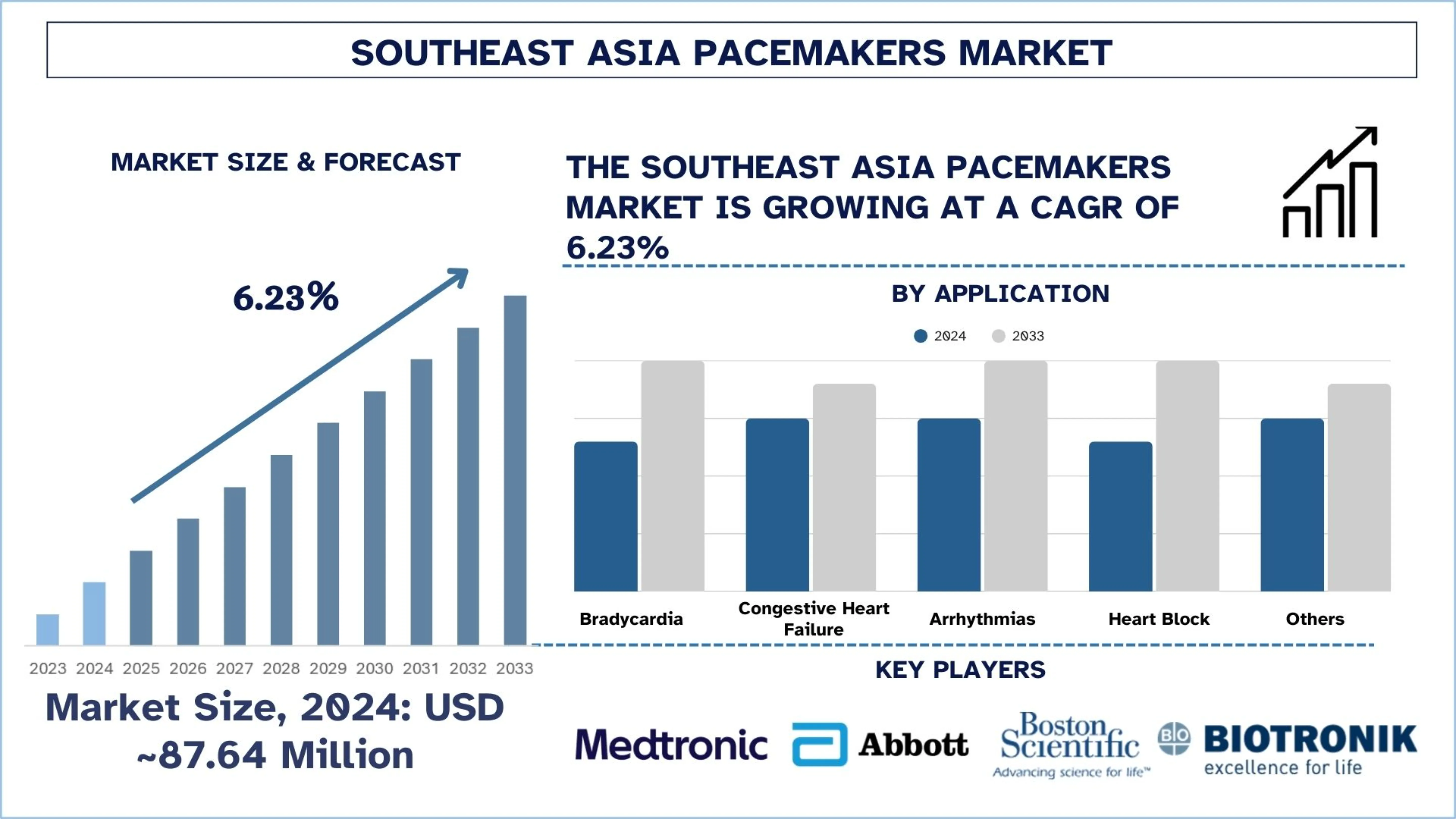
Southeast Asia Pacemakers Market Size & Forecast
The Southeast Asia Pacemakers Market was valued at ~USD 87.64 million in 2024 and is expected to grow at a strong CAGR of approximately 6.23% during the forecast period (2025-2033F), driven by the rising prevalence of cardiovascular diseases and an aging population.
Southeast Asia Pacemakers Market Analysis
A pacemaker is a medical device implanted beneath the skin that regulates abnormal electrical conduction in the heart and also maintains normal blood flow and rhythm when the heart's conduction system is damaged.
The increased use of advanced pacing systems in Southeast Asia is driven by the expansion of cardiac care facilities, greater access to electrophysiology expertise, and the adoption of minimally invasive implantation techniques. To improve patient outcomes, healthcare providers are adopting MRI-compatible and leadless pacemaker technologies, thereby enabling enhanced remote monitoring and digital diagnostics. Adding to this, rising investments in hospitals include training programs, expansion of cath-lab capacity, and collaborating with regional distributors to expand access in urban and semi-urban areas. The growing government focus on cardiovascular disease management is rapidly driving adoption by expanding reimbursement channels and bolstering the entire cardiac ecosystem.
On June 5, 2025, Institut Jantung Negara (IJN) made medical history by becoming the first centre in Southeast Asia to successfully implant the world’s first dual-chamber leadless pacemaker system, the Abbott’s AVEIR™ DR. Approved by the FDA in June 2023, AVEIR DR provides an innovative option to treat patients that suffer slow or irregular heart rhythms.
Southeast Asia Pacemakers Market Trends
This section discusses the key market trends that are influencing the various segments of the Southeast Asia Pacemakers market, as found by our team of research experts.
Integration of AI-Based Cardiac Monitoring Systems
The use of AI-based cardiac monitoring systems is quickly becoming a significant trend connected to the use of AI in hospitals seeking quicker and more precise rhythm measurements. Real-time analytics assist clinicians in identifying the abnormalities sooner and optimizing the pacemaker settings without having to visit them frequently. These systems facilitate remote monitoring, which helps to reduce the workload in the hospitals as well as long-term management of patients. Moreover, artificial intelligence devices facilitate predictive analytics, enabling the forecasting of device problems or arrhythmia development. This shift is driving the region towards smarter, data-driven pacing workflows.
On February 5, 2024, UltraSight, a digital health pioneer transforming cardiac imaging through the power of artificial intelligence, announced a partnership with SELVAS Healthcare (subsidiary of SELVAS Group), a Korean-based global digital healthcare company with innovative technology in medical device manufacturing and software. This new joint venture kicks off the introduction of UltraSight’s real-time AI guidance technology in Asia, beginning with the regulatory process for approvals that may lead to eventual commercialization and distribution in Korea and the Southeast Asian market.
Southeast Asia Pacemakers Industry Segmentation
This section provides an analysis of the key trends in each segment of the Southeast Asia Pacemakers market, along with forecasts at the country level for 2025-2033.
The MRI-compatible pacemakers market held the dominant share of the Pacemakers market in 2024.
Based on technology, the Southeast Asian Pacemakers market is segmented into conventional and MRI compatible. Among these, the MRI-compatible pacemakers market held the dominant share of the Southeast Asia Pacemakers market in 2024. This is because patients are increasingly requiring MRI scans throughout life. The high demand is driving replacement demand, as hospitals are prioritizing the systems, reducing diagnostic constraints, and enhancing continuity of care. This trend of imaging-compatible cardiac implants makes this segment a key driver of growth in the region. On April 4, 2024, Medtronic announced the launch of MRI Care Pathway, a new system that can streamline the process of completing MRI scans for patients with Medtronic MRI compatible cardiac devices.
The implantable pacemakers market held the largest share in 2024.
Based on product type, the market is segmented into implantable pacemakers and external pacemakers. Implantable pacemakers are sub-segmented into single chamber, dual chamber, and biventricular chambers. Among these, the implantable pacemakers market held the largest share in 2024. This is primarily because it remains the most preferred solution for long-term rhythm management in Southeast Asia. Their clinical dependability, growing compatibility with high-tech leads, and increase in the use of minimally invasive implantation contribute to the continued demand. With the improvement of infrastructure in cardiac centers, the implantable systems are still being invested in and expanding access to patients. On December 1, 2023, BIOTRONIK, a pioneer in implantable pacemakers, defibrillators, and vascular intervention, announced the opening of its new Asia Pacific Manufacturing and Research Hub. The 20,000 m² site will serve as the company’s central hub in Asia-Pacific, with hundreds of employees working in manufacturing, quality, research & development (R&D), and sales and marketing. New Asia-Pacific Hub Strengthens Singaporean MedTech Ecosystem.
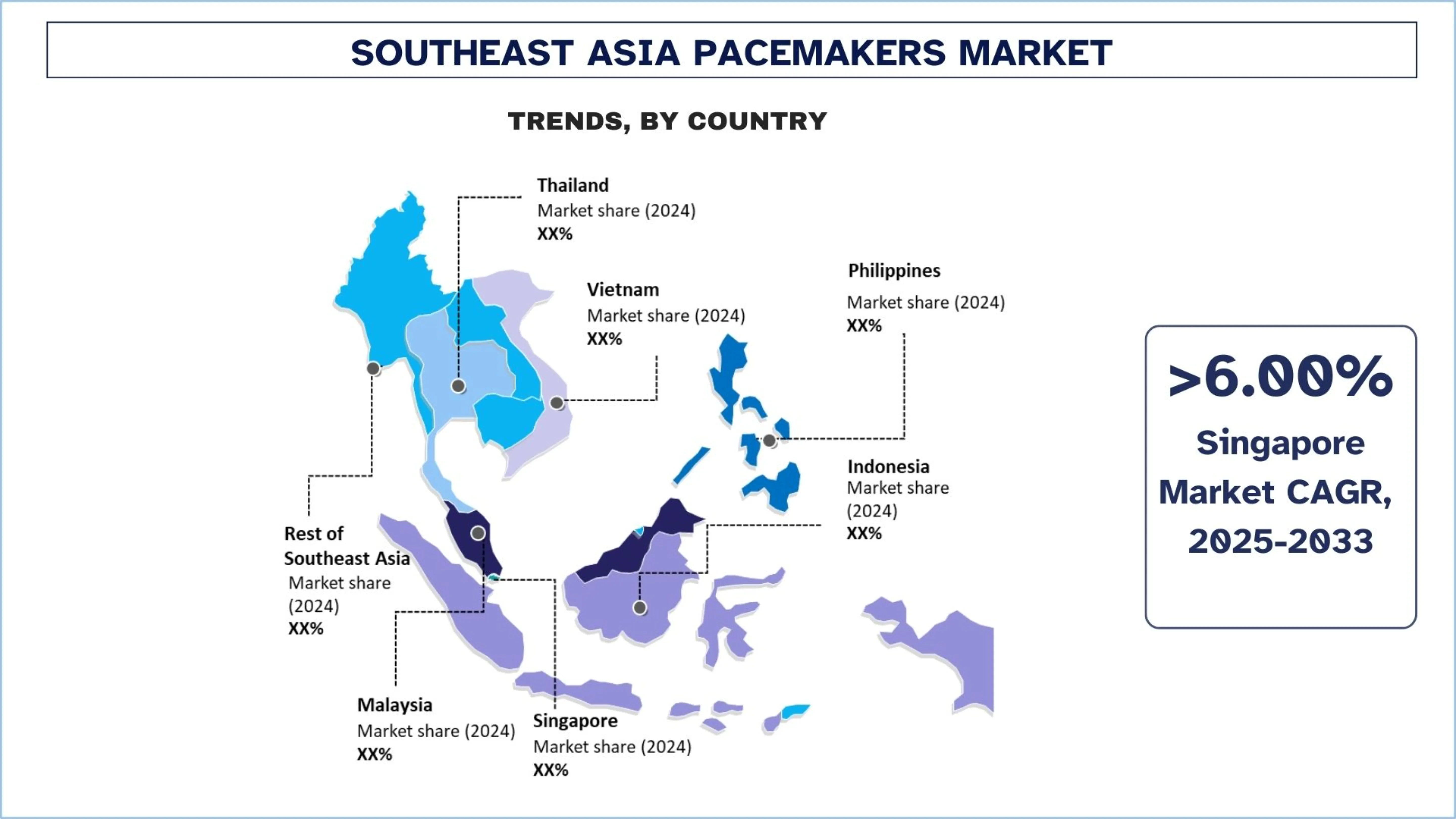
Singapore held a dominant share of the Southeast Asian Pacemakers market in 2024
Singapore led pacemaker adoption in Southeast Asia due to its highly developed cardiac care ecosystem and swift adoption of next-generation pacing technologies. The robust regulatory system, the adequate number of electrophysiology laboratories, and stable investment in digital health make the country a perfect place for clinical innovation. Moreover, rising patient awareness and the growing number of medical tourists also contribute to an increased number of procedures. Moreover, Singapore is also a regional training center that influences cardiology standards in ASEAN. Consequently, it is a significant source of demand and a strategic entry point for technological diffusion in the region.
Southeast Asia Pacemakers Industry Competitive Landscape
The Southeast Asia Pacemakers market is competitive, with several global and international market players. The key players are adopting different growth strategies to enhance their market presence, such as partnerships, agreements, collaborations, new product launches, geographical expansions, and mergers and acquisitions.
Top Southeast Asia Pacemakers Companies
Some of the major players in the market are Medtronic, Abbott, Boston Scientific Corporation, Biotronik, MicroPort Scientific Corporation, ZOLL Medical Corporation, OSYPKA MEDICAL, MEDICO S.R.L., and others.
Recent Developments in the Southeast Asia Pacemakers Market
- October 6, 2025, Abbott, the global healthcare company, announced the launch of AVEIR™ dual chamber (DR) leadless pacemaker system - the first of its kind in the world. This tiny high-tech device is implanted through a minimally invasive procedure directly inside the heart to help it beat properly – without wires (leads) or surgical pockets used in traditional pacemakers.
- On July 6, 2023, BIOTRONIK announced U.S. Food and Drug Administration (FDA) approval of its portfolio of Amvia Edge pacemakers and cardiac resynchronization therapy pacemaker (CRT-P), its latest innovation in cardiac rhythm management. Amvia Edge, the market's smallest single-chamber MR conditional pacemaker1, introduces a unique set of patient-centric clinical solutions coupled with automated workflow efficiency.
Southeast Asia Pacemakers Market Report Coverage
Report Attribute | Details |
Base year | 2024 |
Forecast period | 2025-2033 |
Growth momentum | Accelerate at a CAGR of 6.23% |
Market size 2024 | ~USD 87.64 million |
Country analysis | Indonesia, Thailand, Philippines, Vietnam, Malaysia, Singapore, Rest of Southeast Asia |
Major contributing Country | Vietnam is expected to grow at the highest CAGR during the forecasted period. |
Companies profiled | Medtronic, Abbott, Boston Scientific Corporation, Biotronik, MicroPort Scientific Corporation, ZOLL Medical Corporation, OSYPKA MEDICAL, MEDICO S.R.L., and others |
Report Scope | Market Trends, Drivers, and Restraints; Revenue Estimation and Forecast; Segmentation Analysis; Demand and Supply Side Analysis; Competitive Landscape; Company Profiling |
Segments Covered | By Product Type, By Technology, By End-User, By Application, By Country |
Reasons to Buy the Southeast Asia Pacemakers Market Report:
- The study includes market sizing and forecasting analysis confirmed by authenticated key industry experts.
- The report briefly reviews overall industry performance at a glance.
- The report covers an in-depth analysis of prominent industry peers, primarily focusing on key business financials, product portfolios, expansion strategies, and recent developments.
- Detailed examination of drivers, restraints, key trends, and opportunities prevailing in the industry.
- The study comprehensively covers the market across different segments.
Customization Options:
The Southeast Asia Pacemakers Market can further be customized as per requirements or any other market segment. Besides this, UnivDatos understands that you may have your own business needs; hence, feel free to contact us to get a report that completely suits your requirements.
Table of Content
Research Methodology for the Southeast Asia Pacemakers Market Analysis (2023-2033)
We analyzed the historical market, estimated the current market, and forecasted the future market of the Southeast Asian Pacemakers market to assess its application in major countries. We conducted exhaustive secondary research to gather historical market data and estimate the current market size. To validate these insights, we carefully reviewed numerous findings and assumptions. Additionally, we conducted in-depth primary interviews with industry experts across the Southeast Asian Pacemakers value chain. After validating market figures through these interviews, we used both top-down and bottom-up approaches to forecast the overall market size. We then employed market breakdown and data triangulation methods to estimate and analyze the market size of industry segments and sub-segments.
Market Engineering
We employed the data triangulation technique to finalize the overall market estimation and derive precise statistical numbers for each segment and sub-segment of the Southeast Asia Pacemakers market. We split the data into several segments and sub-segments by analyzing various parameters and trends, including product type, technology, end-user, application, and country within the Southeast Asian Pacemakers market.
The Main Objective of the Southeast Asia Pacemakers Market Study
The study identifies current and future trends in the Southeast Asia Pacemakers market, providing strategic insights for investors. It highlights market attractiveness, enabling industry participants to tap into untapped markets and gain a first-mover advantage. Other quantitative goals of the studies include:
Market Size Analysis: Assess the current and forecast market size of the Southeast Asia Pacemakers market and its segments in terms of value (USD).
Southeast Asia Pacemakers Market Segmentation: Segments in the study include areas of product type, technology, end-user, application, and country.
Regulatory Framework & Value Chain Analysis: Examine the regulatory framework, value chain, customer behavior, and competitive landscape of the Southeast Asia Pacemakers industry.
Country Analysis: Conduct a detailed country analysis for key areas such as Indonesia, Thailand, the Philippines, Vietnam, Malaysia, Singapore, and the Rest of Southeast Asia.
Company Profiles & Growth Strategies: Company profiles of the Southeast Asia Pacemakers market and the growth strategies adopted by the market players to sustain the fast-growing market.
Frequently Asked Questions FAQs
Q1: What is the Southeast Asia Pacemakers market’s current market size and growth potential?
The Southeast Asia Pacemakers market was valued at ~USD 87.64 million in 2024 and is projected to expand at a CAGR of 6.23% from 2025 to 2033. Market expansion is supported by rising cardiac disease burden, higher adoption of advanced pacing technologies, and increased investment in regional cardiac care infrastructure.
Q2: Which segment has the largest share of the Southeast Asia Pacemakers market by product type?
Implantable pacemakers dominate the market, driven by their long-term clinical reliability, wider adoption in hospitals, and growing preference for minimally invasive procedures. Their increasing use in managing bradycardia and heart block strengthens their overall share in the region.
Q3: What are the driving factors for the growth of the Southeast Asia Pacemakers market?
Growth is fueled by rising cases of bradycardia and heart block, an aging population, improved access to cardiology services, and the adoption of MRI-compatible and leadless pacemakers. Investments in cardiac hospitals and stronger reimbursement support further accelerate regional market expansion.
Q4: What are the emerging technologies and trends in the Southeast Asia Pacemakers market?
Key trends include the adoption of MRI-safe and leadless pacemakers, integration of AI-based remote cardiac monitoring, miniaturization of devices, and greater focus on patient-centric digital cardiac care. These innovations are reshaping how hospitals manage rhythm disorders across the region.
Q5: What are the key challenges in the Southeast Asia Pacemakers market?
Major challenges include high implantation costs in developing ASEAN countries, limited electrophysiology specialists, reliance on imported devices, and uneven access to advanced diagnostic services. Regulatory approval timelines also slow the introduction of new pacemaker technologies.
Q6: Which country dominates the Southeast Asia Pacemakers market?
Singapore leads the regional market due to its advanced healthcare system, strong adoption of next-generation pacemaker technologies, and high procedure volumes driven by medical tourism and superior cardiac care infrastructure.
Q7: Who are the key players in the Southeast Asia Pacemakers market?
Leading companies in the Southeast Asia Pacemakers market include:
• Medtronic
• Abbott
• Boston Scientific Corporation
• Biotronik
• MicroPort Scientific Corporation
• ZOLL Medical Corporation
• OSYPKA MEDICAL
• MEDICO S.R.L.
• Others
Q8: What investment opportunities are emerging in the Southeast Asia Pacemakers market?
There is growing investment potential in advanced pacing technologies, local distribution networks, digital remote monitoring platforms, and training programs for electrophysiology specialists. Expansion opportunities are strongest in fast-growing markets such as Vietnam, Indonesia, and Thailand.
Q9: What is the future outlook for pacemaker adoption in Southeast Asia?
Adoption is set to rise as hospitals upgrade EP labs, governments improve reimbursement models, and awareness of arrhythmia diagnosis increases. Technological advancements like AI-enabled monitoring and leadless pacemakers will further accelerate long-term market penetration.
Related Reports
Customers who bought this item also bought

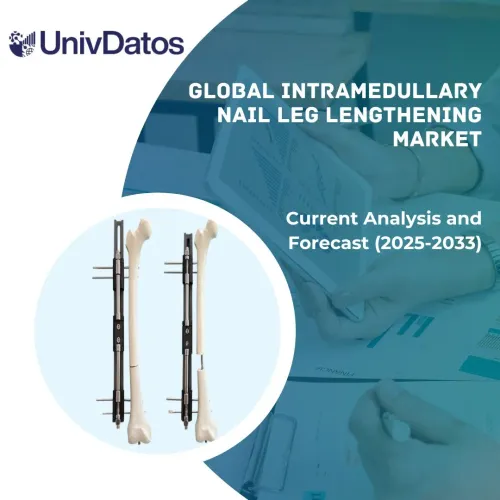
Intramedullary Nail Leg Lengthening Market: Current Analysis and Forecast (2025-2033)
Emphasis on Technology (Magnetically Controlled Intramedullary Lengthening Nails, Motorized Intramedullary Lengthening Nails, Mechanical Intramedullary Lengthening Nails); Indication (Medical/Reconstructive Indication, Cosmetic/Stature Lengthening); Bone Type (Femoral Lengthening Nails, Tibial Lengthening Nails); End-use (Hospitals, Specialty Orthopedic Clinics, Other); and Region/Country
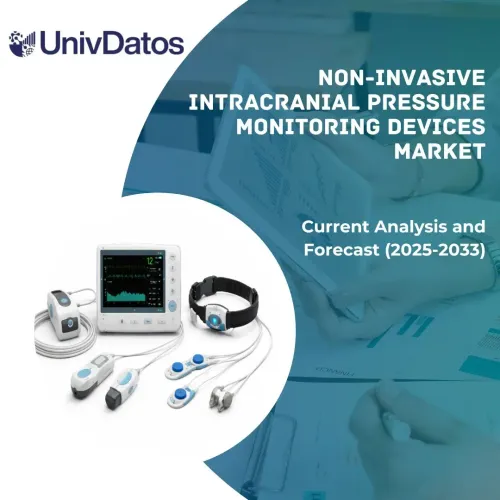
Non-Invasive Intracranial Pressure Monitoring Devices Market: Current Analysis and Forecast (2025-2033)
Emphasis on Technology (MRI/CT, Optic Nerve Sheath Diameter (ONSD) Ultrasound, Transcranial Doppler (TCD), Near-Infrared Spectroscopy (NIRS), and Others); Applications (Traumatic Brain Injury, Meningitis, Stroke, Intracerebral Hemorrhage, and Others); End-User (Hospitals & ICUs, Neurology Clinics, Ambulance & Emergency Services, Home Care Settings, and Others); and Region/Country
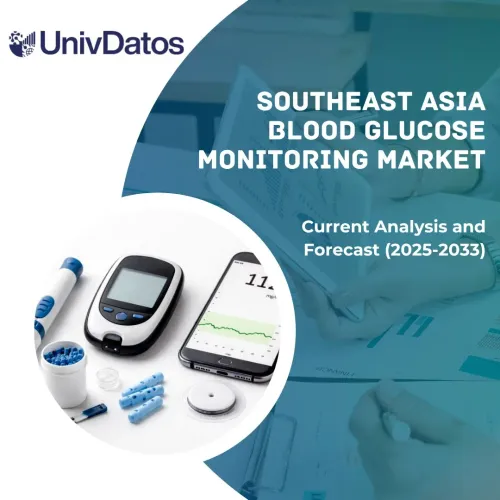
Southeast Asia Blood Glucose Monitoring Market: Current Analysis and Forecast (2025-2033)
Emphasis on Product Type (Self-Monitoring Blood Glucose (SMBG) Systems, {Glucometers, Testing Strips, Lancets & Lancing Devices}, Continuous Glucose Monitoring (CGM) Systems, {Sensors, Transmitters, Receivers}); Application (Diabetes Management, Health & Wellness Monitoring, Others); End-User (Hospitals & Clinics, Home-Care Settings, Diagnostic Centers, Others); and Country.
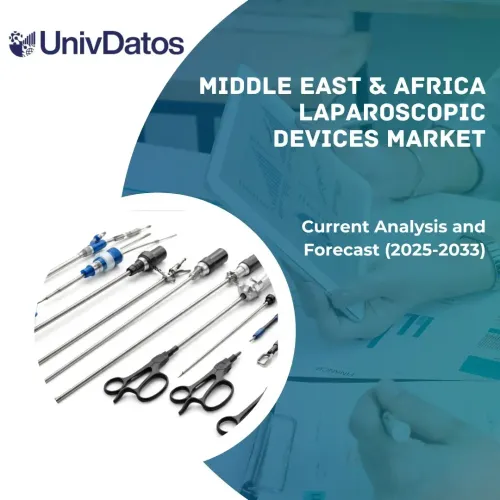
Middle East & Africa Laparoscopic Devices Market: Current Analysis and Forecast (2025-2033)
Emphasis By Product (Energy Systems, Robot-Assisted Systems, Laparoscopes, Insufflation Devices, Suction Devices and Access Devices), by Application (General Surgery, Colorectal Surgery, Bariatric Surgery, Gynaecological Surgery, Others), By End-User (Hospitals & Clinics and Ambulatory Surgical ), By Country (Saudi Arabia, UAE, Egypt, South Africa, Turkey, Israel, and the Rest of Middle East & Africa)