- Home
- About Us
- Industry
- Services
- Reading
- Contact Us
Southeast Asia RNAi Technology Market: Current Analysis and Forecast (2025-2033)
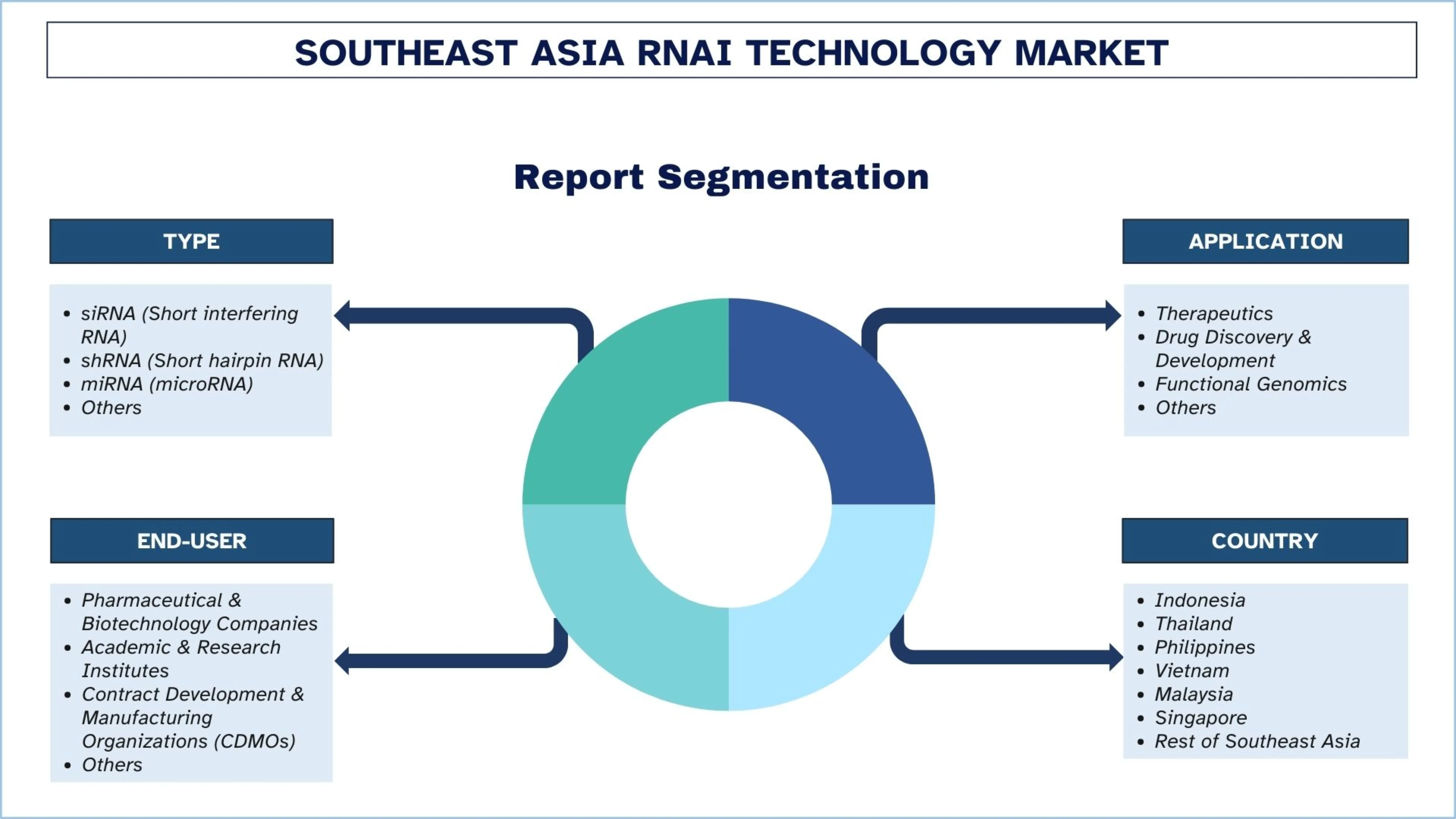
Emphasis on Type (siRNA (Short interfering RNA), shRNA (Short hairpin RNA), miRNA (microRNA), and others); Application (Therapeutics, Drug Discovery & Development, Functional Genomics, and Others); End-User (Pharmaceutical & Biotechnology Companies, Academic & Research Institutes, Contract Development & Manufacturing Organizations (CDMOs), and Others); and Country.
Southeast Asia RNAi Technology Market Size & Forecast
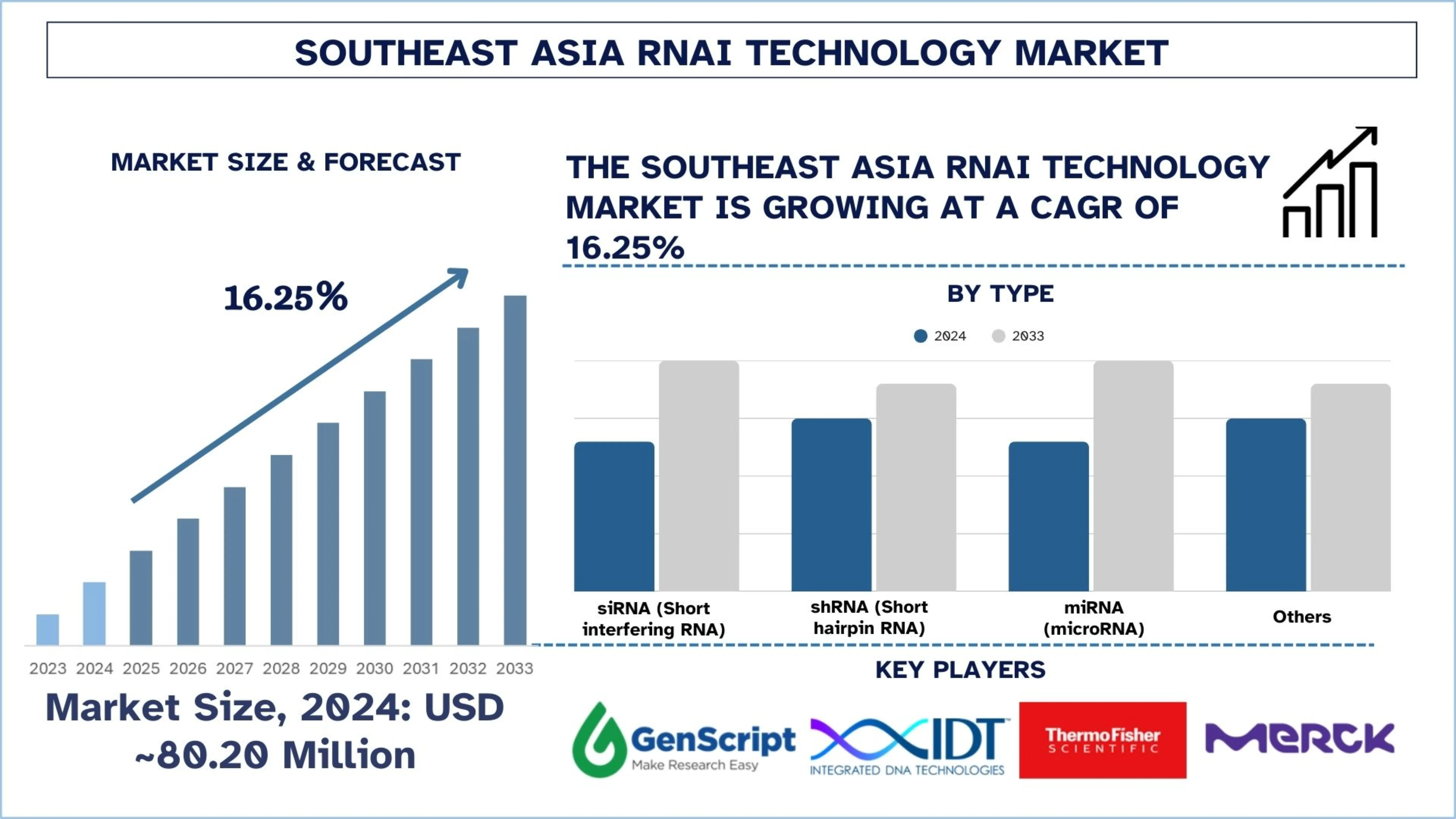
The Southeast Asia RNAi Technology Market was valued at ~USD 80.20 million in 2024 and is expected to grow at a strong CAGR of approximately 16.25% during the forecast period (2025-2033F), driven by the adoption of RNAi tools in genomics, molecular biology, and early-stage drug discovery.
Southeast Asia RNAi Technology Market Analysis
RNAi technology is a gene-silencing technology that allows the specific regulation of the activity of genes with the help of short interfering RNAs or other similar molecules. It is widely used in biomedical research, drug discovery, and targeted therapeutics development.
To achieve growth in Southeast Asia, RNAi is being adopted in research and discovery processes due to government subsidies, academic-industrial partnerships, the need to shorten drug development cycles, and coherent research and development. Also, advances in RNA delivery technologies and increased validation in gene-silencing therapeutics are driving long-term commercial interest in the field. The increasing use of RNAi in rare disease, oncological, and metabolic disorder research is also observed in Southeast Asia, supported by emerging lab infrastructure and outsourcing models.
On December 2, 2025, Thermo Fisher Scientific Inc., the world leader in serving science, announced an expansion of its bioprocessing capabilities across Asia, reinforcing its commitment to supporting the region’s rapidly growing biopharmaceutical industry. The company is introducing a new Bioprocess Design Center in Hyderabad, India, and expanding its existing Bioprocess Design Centers in Incheon, Korea, and Singapore, further strengthening a strategic regional network designed to enhance speed, efficiency, and sustainability in biomanufacturing. In Singapore, the country’s expanded facility provides access to bench-to-pilot scale bioprocessing, expert-led training, and deep collaborations with Thermo Fisher’s technical teams to scale early-stage processes, supporting flexible and sustainable biomanufacturing.
Southeast Asia RNAi Technology Market Trends
This section discusses the key market trends that are influencing the various segments of the Southeast Asia RNAi Technology market, as found by our team of research experts.
Increased Government Support for Genomics
Genomics is rapidly becoming a strategic pillar of healthcare innovation and biopharmaceutical development for governments in Southeast Asia. The infrastructure of sequencing, bioinformatics, and molecular biology is being enhanced by public funding programs, national genomics initiatives, and research grants. This policy-led emphasis is contributing directly to the uptake of RNAi technologies as critical tools for analyzing gene function and validating targets. Translational research is also being accelerated by supportive regulations and public-private collaboration models. Further, long-term government support is likely to increase the application of RNAi to drug discovery and targeted medicine beyond the academic community.
Southeast Asia RNAi Technology Industry Segmentation
This section provides an analysis of the key trends in each segment of the Southeast Asia RNAi Technology market, along with forecasts at the country level for 2025-2033.
The siRNA (Short interfering RNA) market held the dominant share of the RNAi Technology market in 2024.
Based on type, the market is segmented into siRNA (Short interfering RNA), shRNA (Short hairpin RNA), miRNA (microRNA), and others. Among these, the siRNA (Short interfering RNA) market held the largest share in 2024. This is mainly because it is clinically proven, commercial-ready, and can be delivered through established delivery systems. Its established track record in rare diseases, oncology, and metabolic diseases enhances the level of confidence among pharma and biotech companies in Singapore-based innovation hubs. This directly drives increased demand for siRNA production, screening instruments, and translational research services in the region. For example, on October 2, 2025, Researchers from NUS Medicine developed a novel RNA-based therapy that could transform treatment for metabolic dysfunction-associated steatohepatitis (MASH), previously known as Non-alcoholic fatty liver disease (NAFLD), which affects approximately 25% of people worldwide, and up to 40% of adults in Singapore. The team created a tiny medicine made of lipid nanoparticles, fat-like particles that can safely deliver genetic drugs (siRNA) into liver cells. Once inside, the siRNA silences a gene called SPTLC2, which produces ceramides, a type of fat that drives liver fat build-up, inflammation, and fibrosis when the levels are elevated.
The pharmaceutical & biotechnology companies segment held the dominant share in the RNAi Technology market in 2024.
Based on the end-user, the market is segmented into pharmaceutical & biotechnology companies, academic & research institutes, contract development & manufacturing organizations (CDMOs), and others. Among these, the pharmaceutical & biotechnology companies segment held the dominant share of the Southeast Asia RNAi Technology market in 2024. The pharmaceutical and biotechnology companies contribute to market growth by increasing investment in R&D, diversifying their pipelines, and outsourcing RNAi-based discovery efforts. These companies in Southeast Asia are increasingly using RNAi to de-risk drug targets before clinical investment, thereby enhancing development efficiency. Their inclination toward scalable, validated RNAi systems enhances long-term commercial adoption across the value chain. For example, on April 23, 2025, GenScript Biotech Corporation, a global leader in biotechnology research services, and NSG Bio, Singapore's premier biotech incubator, announced a strategic partnership designed to accelerate innovation and growth within the biotechnology sector. Through this partnership, GenScript will provide exclusive preferential rates along with technical guidance from experienced scientists across its extensive range of biotechnology services and products to NSG Bio residents.
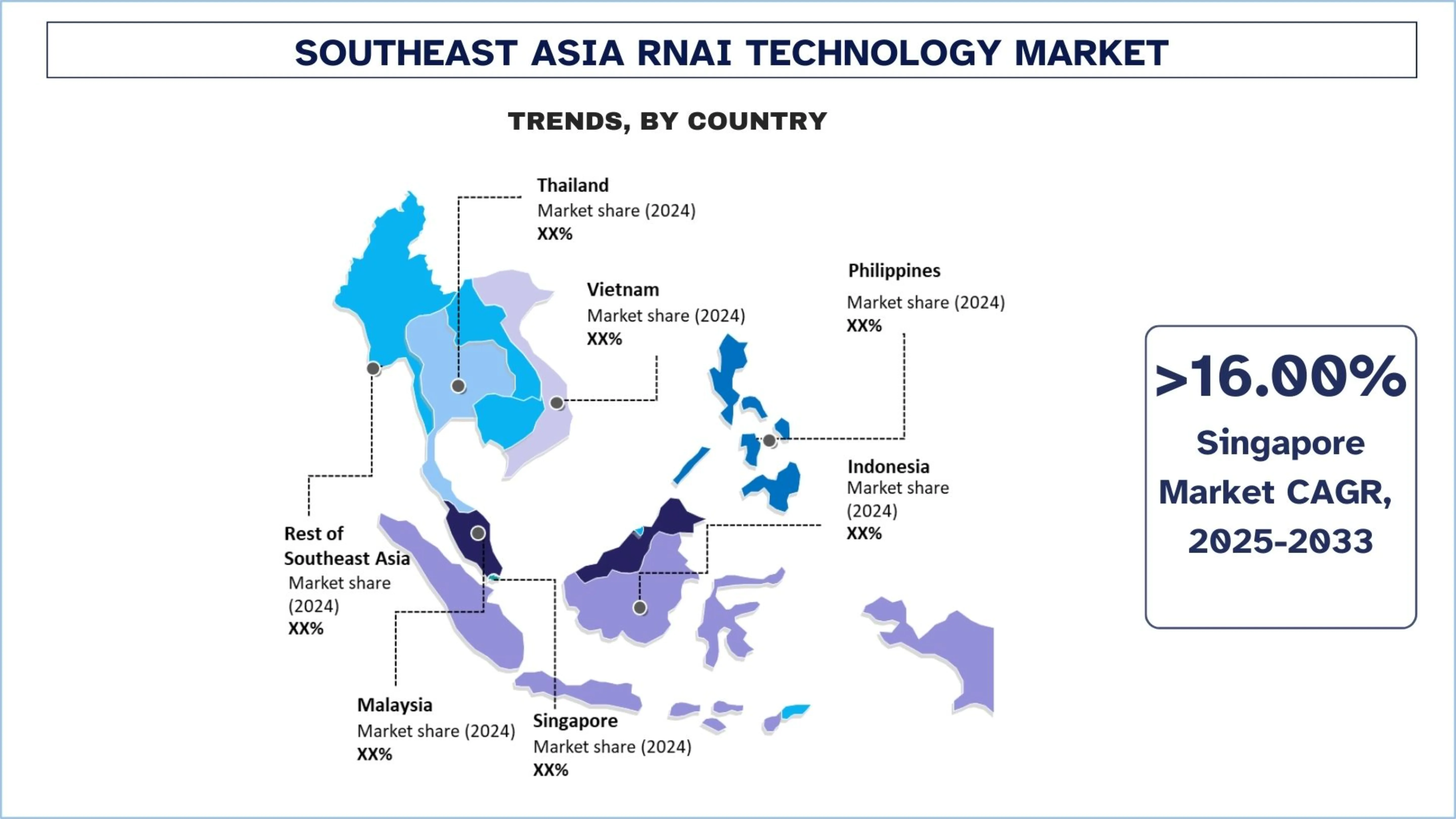
Singapore held a dominant share of the Southeast Asian RNAi Technology market in 2024
Singapore is leading Southeast Asian RNAi technology because of its established biomedical ecosystem, strong IP protection, and a government that is proactive and supportive of advanced therapeutics. The availability of global life science companies, RNA and genomics research institutes, and translational medicine programs enhances the adoption of RNAi in discovery and early clinical stages. Time-to-market is also minimized by local supply of quality reagents, CDMO assistance, and talent. Moreover, Singapore is the key commercialization hub for RNAi technology in the region, serving as a regional headquarters and an innovative hub.
For example, on December 1, 2025, Precision Health Research, Singapore (PRECISE) announced a landmark partnership with companies Alnylam, Bayer, Boehringer Ingelheim, and Novo Nordisk, under Phase II of Singapore’s National Precision Medicine (NPM) programme. This pioneering initiative marks Singapore as the first country in Asia to establish a pre-competitive collaboration with leading pharmaceutical companies, contributing to a vibrant precision health ecosystem and reaffirming Singapore as a leading hub for precision medicine innovation in Asia.
Southeast Asia RNAi Technology Industry Competitive Landscape
The Southeast Asia RNAi Technology market is competitive, with several global and international market players. The key players are adopting various growth strategies to enhance their market presence, including partnerships, agreements, collaborations, new product launches, geographic expansions, and mergers and acquisitions.
Top Southeast Asia RNAi Technology Companies
Some of the major players in the market are GenScript, Integrated DNA Technologies, Inc. (Danaher Corporation), Thermo Fisher Scientific Inc., Merck KGaA, QIAGEN, Revvity, (OligoX) ABT Biomedical Solutions Co., Ltd., Bio Basic Asia Pacific Pte Ltd., and others.
Recent Developments in the Southeast Asia RNAi Technology Market
On August 26, 2025, Hongene Biotech Corporation, a contract development and manufacturing organization (CDMO) specializing in nucleic acid therapeutics, entered a non-exclusive licensing agreement with the UMass Chan Medical School to produce and supply extended nucleic acid (exNA) monomers and exNA-modified oligonucleotides for research use. The agreement strengthens Hongene’s RNA chemistry portfolio and expands access to innovative oligonucleotide technologies for academic and biopharmaceutical researchers developing RNA interference (RNAi), antisense oligonucleotides (ASOs), CRISPR guides, and other oligo-based modalities.
On April 23, 2025, GenScript Biotech Corporation, a global leader in biotechnology research services, and NSG Bio, Singapore's premier biotech incubator, announced a strategic partnership designed to accelerate innovation and growth within the biotechnology sector. Through this partnership, GenScript will provide exclusive preferential rates along with technical guidance from experienced scientists across its extensive range of biotechnology services and products to NSG Bio residents.
Southeast Asia RNAi Technology Market Report Coverage
Report Attribute | Details |
Base year | 2024 |
Forecast period | 2025-2033 |
Growth momentum | Accelerate at a CAGR of 16.25% |
Market size 2024 | ~USD 80.20 million |
Country analysis | Indonesia, Thailand, Philippines, Vietnam, Malaysia, Singapore, Rest of Southeast Asia |
Major contributing Country | Vietnam is expected to grow at the highest CAGR during the forecasted period. |
Companies profiled | GenScript, Integrated DNA Technologies, Inc. (Danaher Corporation), Thermo Fisher Scientific Inc., Merck KGaA, QIAGEN, Revvity, (OligoX) ABT Biomedical Solutions Co., Ltd., Bio Basic Asia Pacific Pte Ltd., and others |
Report Scope | Market Trends, Drivers, and Restraints; Revenue Estimation and Forecast; Segmentation Analysis; Demand and Supply Side Analysis; Competitive Landscape; Company Profiling |
Segments Covered |
Reasons to Buy the Southeast Asia RNAi Technology Market Report:
The study includes market sizing and forecasting analysis confirmed by authenticated key industry experts.
The report briefly reviews overall industry performance at a glance.
The report covers an in-depth analysis of prominent industry peers, primarily focusing on key business financials, product portfolios, expansion strategies, and recent developments.
Detailed examination of drivers, restraints, key trends, and opportunities prevailing in the industry.
The study comprehensively covers the market across different segments.
Customization Options:
The Southeast Asia RNAi Technology Market can further be customized as per requirements or any other market segment. Besides this, UnivDatos understands that you may have your own business needs; hence, feel free to contact us to get a report that completely suits your requirements.
Table of Content
Research Methodology for the Southeast Asia RNAi Technology Market Analysis (2023-2033)
We analyzed the historical market, estimated the current market, and forecasted the future market of the Southeast Asia RNAi Technology market to assess its application in major countries. We conducted exhaustive secondary research to gather historical market data and estimate the current market size. To validate these insights, we carefully reviewed numerous findings and assumptions. Additionally, we conducted in-depth primary interviews with industry experts across the Southeast Asian RNAi Technology value chain. After validating market figures through these interviews, we used both top-down and bottom-up approaches to forecast the overall market size. We then employed market breakdown and data triangulation methods to estimate and analyze the market size of industry segments and sub-segments.
Market Engineering
We employed the data triangulation technique to finalize the overall market estimation and derive precise statistical numbers for each segment and sub-segment of the Southeast Asia RNAi Technology market. We split the data into several segments and sub-segments by analyzing various parameters and trends, including type, application, end-user, and country within the Southeast Asian RNAi Technology market.
The Main Objective of the Southeast Asia RNAi Technology Market Study
The study identifies current and future trends in the Southeast Asia RNAi Technology market, providing strategic insights for investors. It highlights market attractiveness, enabling industry participants to tap into untapped markets and gain a first-mover advantage. Other quantitative goals of the studies include:
Market Size Analysis: Assess the current and forecast market size of the Southeast Asia RNAi Technology market and its segments in terms of value (USD).
Southeast Asia RNAi Technology Market Segmentation: Segments in the study include areas of type, application, end-user, and country.
Regulatory Framework & Value Chain Analysis: Examine the regulatory framework, value chain, customer behavior, and competitive landscape of the Southeast Asia RNAi Technology industry.
Country Analysis: Conduct a detailed country analysis for key areas such as Indonesia, Thailand, the Philippines, Vietnam, Malaysia, Singapore, and the Rest of Southeast Asia.
Company Profiles & Growth Strategies: Company profiles of the Southeast Asia RNAi Technology market and the growth strategies adopted by the market players to sustain the fast-growing market.
Frequently Asked Questions FAQs
Q1: What is the Southeast Asia RNAi Technology market’s current market size and growth potential?
The Southeast Asia RNAi Technology market was valued at ~USD 80.20 million in 2024 and is projected to expand at a CAGR of 16.25% from 2025 to 2033. The growth is driven by rising genomics research, increasing adoption of RNAi in drug discovery, and strong government support for biotechnology across key Southeast Asian countries.
Q2: Which segment has the largest share of the Southeast Asia RNAi Technology market by type?
The siRNA (short interfering RNA) segment holds the largest market share due to its clinical validation, widespread use in functional genomics, and increasing application in therapeutic research. siRNA is the most commercially mature RNAi modality, making it the preferred choice among research institutions and pharmaceutical companies.
Q3: What are the driving factors for the growth of the Southeast Asia RNAi Technology market?
Major growth drivers include rising life sciences R&D investment, expansion of functional genomics research, growing focus on precision medicine and rare diseases, increasing demand for cost-effective target validation tools, strengthening academic–industry collaborations, and advancements in RNA delivery technologies.
Q4: What are the emerging technologies and trends in the Southeast Asia RNAi Technology market?
Key trends include increased adoption of siRNA platforms, growing use of RNAi in functional genomics, integration of RNAi with bioinformatics and AI tools, rising government funding for genomics programs, and gradual movement toward translational and preclinical RNA-based research.
Q5: What are the key challenges in the Southeast Asia RNAi Technology market?
Key challenges include limited local RNAi manufacturing capacity, high cost of advanced RNAi tools, shortage of skilled talent in RNA technologies, regulatory complexity for RNA-based therapeutics, and uneven adoption levels across Southeast Asian countries.
Q6: Which country dominates the Southeast Asia RNAi Technology market?
Singapore dominates the Southeast Asia RNAi Technology market due to its advanced biomedical research ecosystem, strong intellectual property framework, high R&D spending, and active government support for genomics and advanced therapeutics development.
Q7: Who are the key players in the Southeast Asia RNAi Technology market?
Leading companies in the Southeast Asia RNAi Technology market include:
• GenScript
• Integrated DNA Technologies, Inc. (Danaher Corporation)
• Thermo Fisher Scientific Inc.
• Merck KGaA
• QIAGEN
• Revvity
• (OligoX) ABT Biomedical Solutions Co., Ltd.
• Bio Basic Asia Pacific Pte Ltd.
• Others
Q8: How is RNAi technology being used in drug discovery and functional genomics in Southeast Asia?
RNAi technology is widely used in Southeast Asia for gene function analysis, target validation, and pathway discovery during early-stage drug development. Its ability to selectively silence genes makes it a critical tool for reducing drug development risk and accelerating research timelines.
Q9: What opportunities does the Southeast Asia RNAi Technology market offer for investors and businesses?
The market offers strong opportunities through expanding genomics research hubs, rising demand for outsourced RNAi services, increasing government funding, and emerging biotech ecosystems beyond Singapore. Investors can benefit from high growth potential driven by research-led adoption and long-term therapeutic applications.
Related Reports
Customers who bought this item also bought


Biobanks Market: Current Analysis and Forecast (2025-2033)
Emphasis on Product and Service (Consumables, Software, Equipment, and Services); Sample Type (Human Tissues, Cell Lines, Human Waste Products, Blood Products, Nucleic Acids, and Biological Fluids); Application (Therapeutics, Drug Discovery & Clinical Research, Clinical Diagnostics, and Others); and Region/Country
February 5, 2026
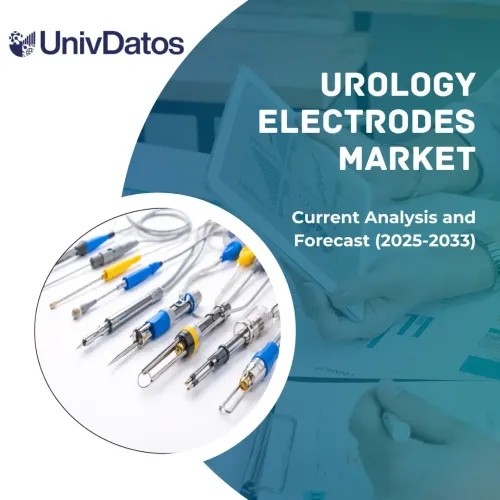
Urology Electrodes Market: Current Analysis and Forecast (2025-2033)
Emphasis on Product Type (Monopolar electrodes, Bipolar electrodes, Specialty electrodes, and Others); Application (BPH procedures, Bladder cancer, and Other Endourological Procedures); End-User (Hospitals, Ambulatory Surgical Centers, Specialty Clinics, and Others); and Region/Country
February 5, 2026
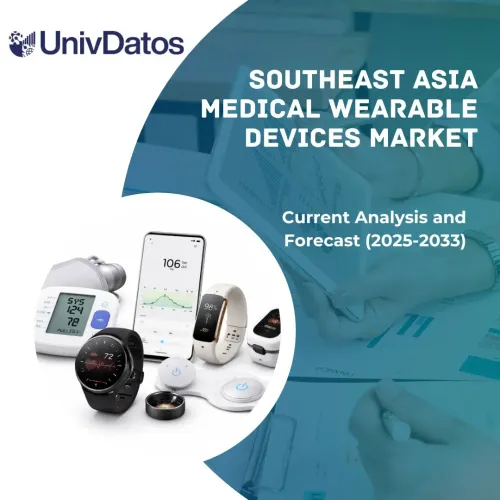
Southeast Asia Medical Wearable Devices Market: Current Analysis and Forecast (2025-2033)
Emphasis on Device Type (Diagnostic Wearables, Monitoring Wearables, Therapeutic Wearables); Application (Cardiology, Diabetes Management, Neurology, Respiratory and Sleep Monitoring, Others); End-User (Hospitals and Clinics, Home Healthcare, Ambulatory Care Centers, Remote Patient Monitoring, Others); and Country.
February 4, 2026